
Izmir
Izmir operates on a different frequency than other Turkish metropolises.
Guests & rooms
The Izmir guide
An insider’s read on Izmir
IIzmir operates on a different frequency than other Turkish metropolises.
Historically known as Smyrna, this ancient port city has spent millennia trading across the Mediterranean. Rebuilt after the devastating fire of 1922, modern Izmir emerged as a bastion of secularism and progressive Turkish culture. The legacy of its Levantine, Greek, and Jewish communities still echoes in the architecture of Alsancak, the synagogues of Karataş, and the culinary traditions of the Kemeraltı bazaar. Today, its character is fiercely independent, relaxed, and deeply democratic.

PLATE IIzmir, Republic of Türkiye

Guides & ideas
The Izmir reading list
Hand-written guides from our editors — itineraries, the best of after dark, where to eat, and what’s genuinely worth your time.
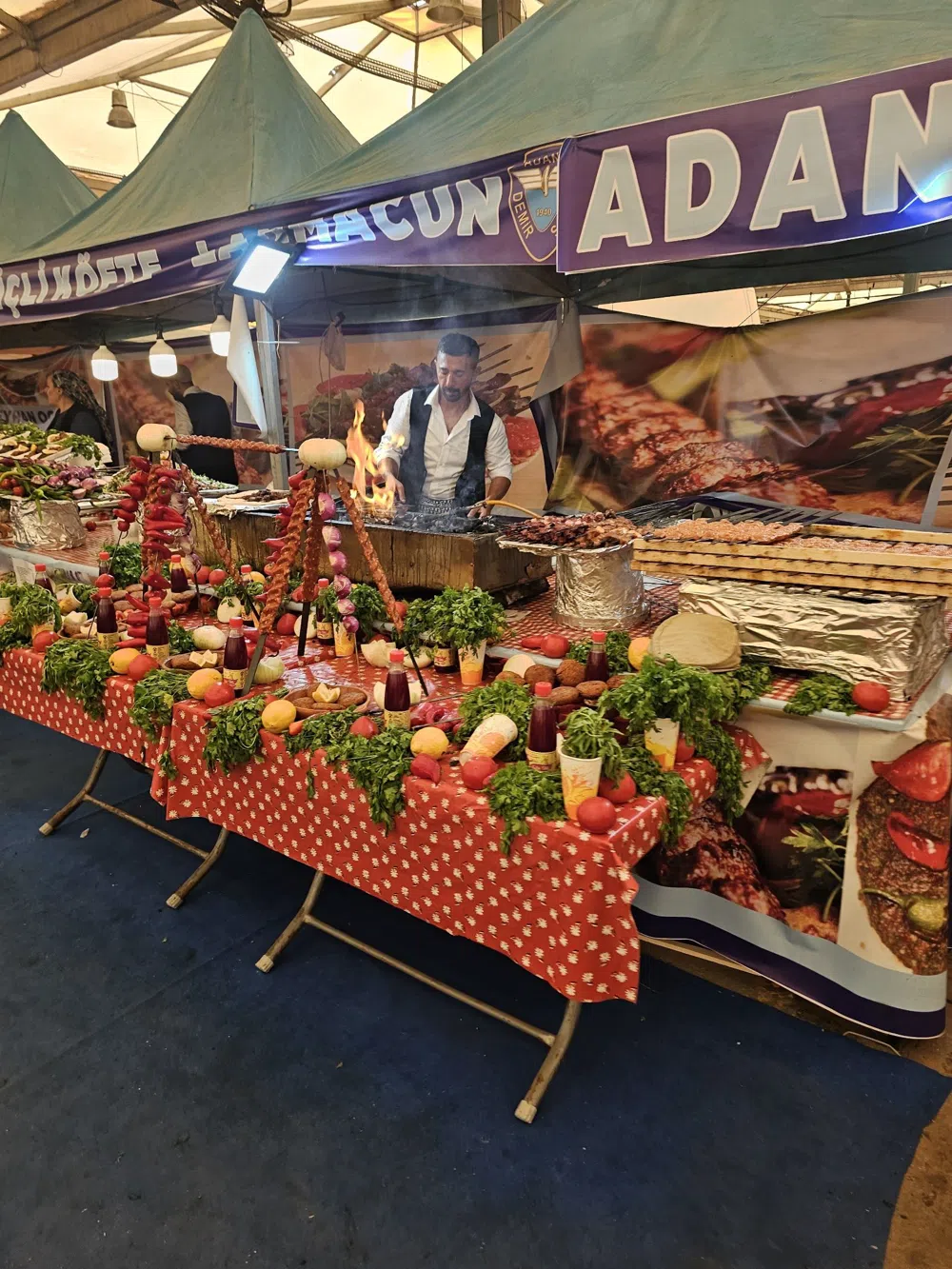
Markets, Wetlands and Village Theatre Beyond Izmir's Centre
A week of İzmir organised by what the city already runs on: market days, ferry crossings, match nights and the villages behind Urla.
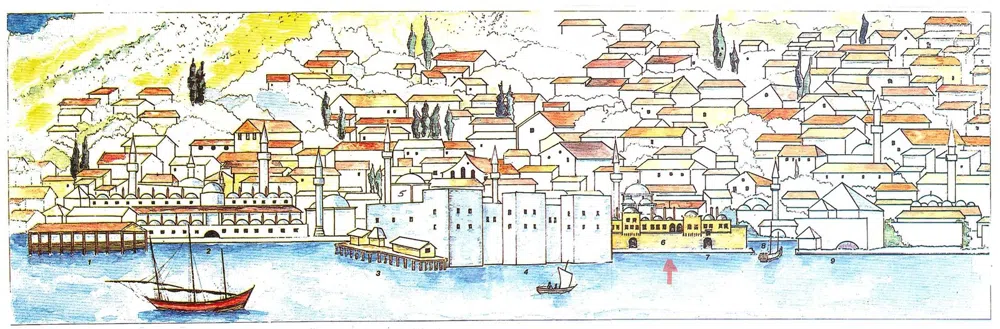
Izmir in Late September When the Heat Finally Breaks
A two-week window when the Aegean is still warm enough to swim, Ephesus can be walked after dark, and Izmir's evenings are comfortable again.
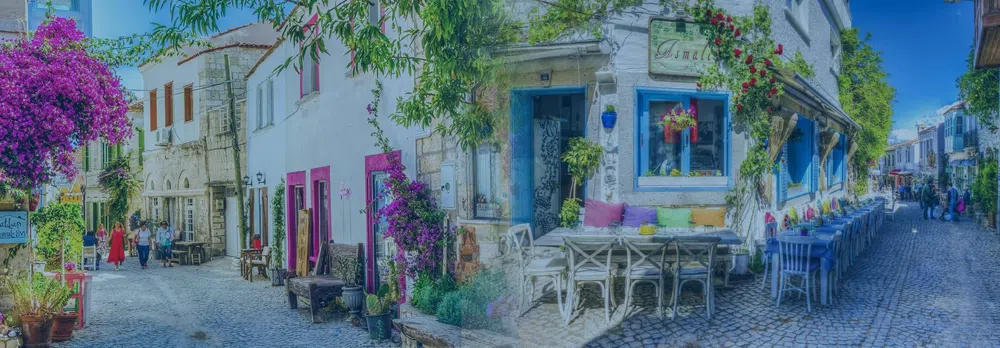
The Weekend West of Izmir in Çeşme and Alaçatı
An hour's drive west of Izmir buys flat-water wind, two Michelin-listed kitchens, free coves and a 25-minute crossing to Greece. Here is how to order the days.
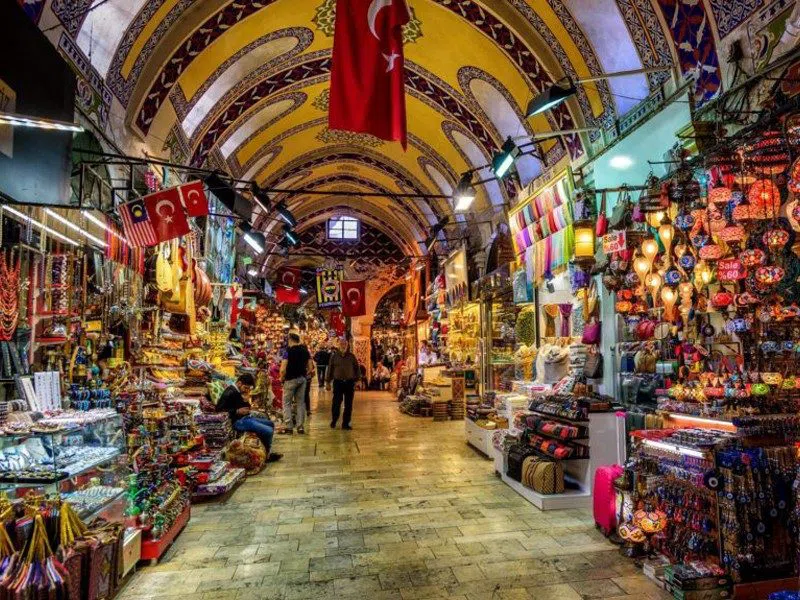
Three Days in Izmir Without a Car
A tested three-day route through Izmir on foot, by public ferry and on the tram, with opening hours, real prices and the bookings you have to make before you fly.
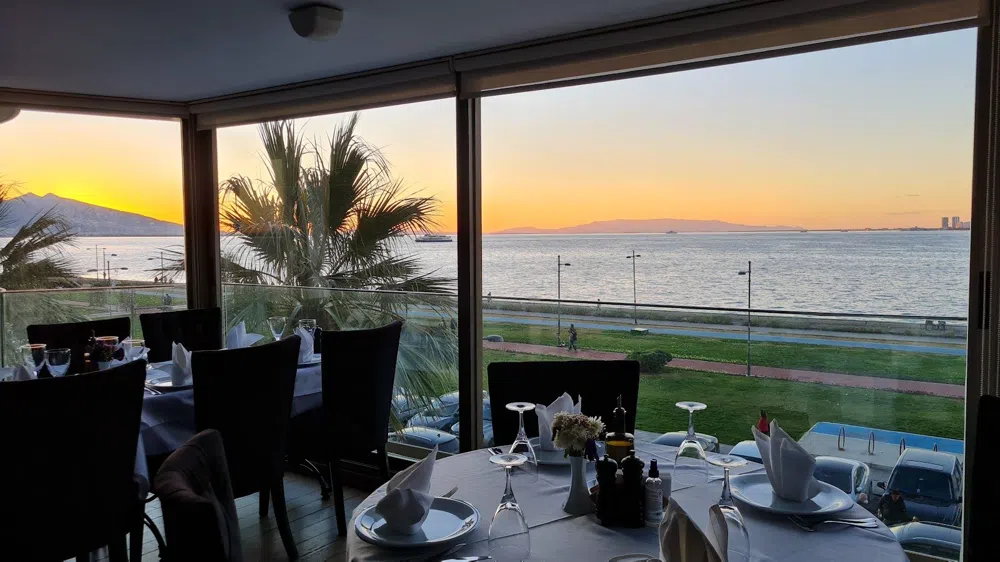
Walking Izmir's Kordon Before the City Wakes
An unhurried, hour-by-hour walk along Izmir's seafront: the wood-fired ovens at 06:30, the 07:00 ferry, and the fish auction working across the bay.
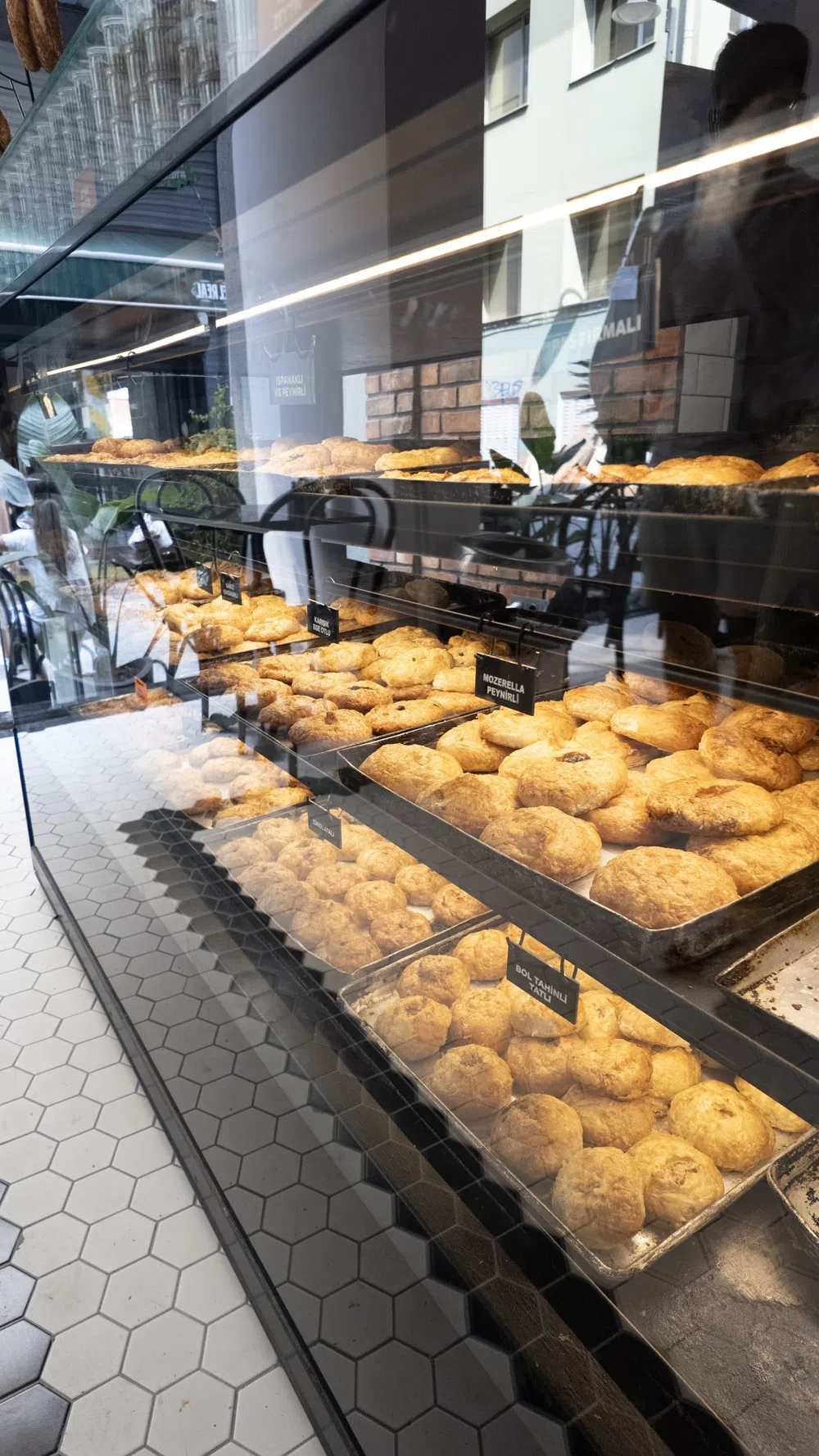
Izmir's Boyoz Trail: Where the City Breakfasts First
Eleven bakeries, one Sephardic pastry, and the honest door-by-door guide to eating boyoz the way Izmir actually eats it.
Where to base yourself
The neighborhoods
01
Alsancak
For First-time visitors and nightlife seekers. The trade-off is constant noise and high traffic congestion.
The cosmopolitan heart of the city, characterized by grid-patterned streets, historic Levantine stone houses, trendy boutiques, and a dense concentration of bars and cafes.
Where to stay — Mid-range boutique hotels and business-friendly luxury properties near the waterfront.
02
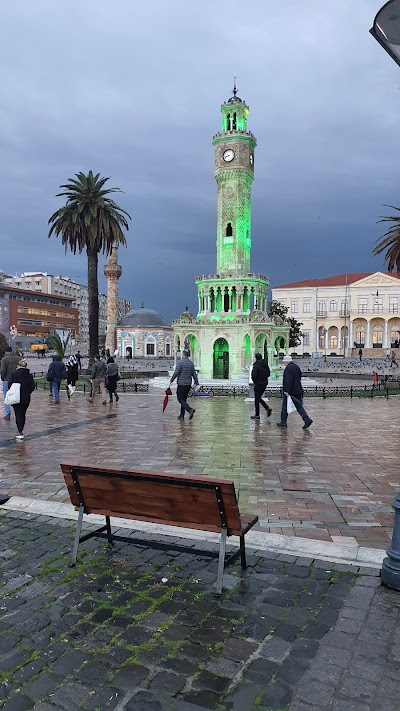
Konak
For History enthusiasts and street food lovers. The trade-off is that the area becomes quiet and desolate after the bazaar closes at sunset.
The historic and administrative hub, home to grand government buildings, open plazas, and the sprawling labyrinth of the Kemeraltı bazaar.
Where to stay — Characterful boutique hotels converted from historic caravanserais or modern business hotels.
03
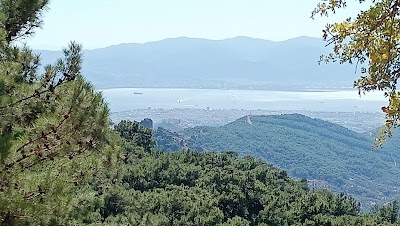
Karşıyaka
For Slow travelers wanting a local, non-touristy experience. The trade-off is the distance from major historical sights.
A progressive, residential district on the northern shore of the gulf with a fierce local identity, pedestrianized shopping streets, and a relaxed family vibe.
Where to stay — Modern mid-range hotels along the waterfront.
04
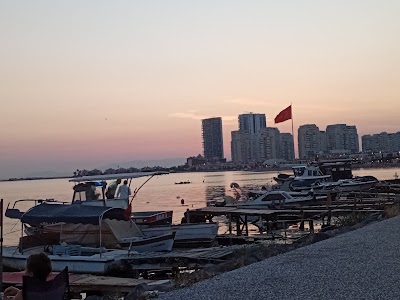
Bostanlı
For Younger travelers and foodies looking for contemporary dining. The trade-off is a complete lack of historical architecture.
A trendy, upscale sub-district of Karşıyaka filled with third-wave coffee shops, craft beer bars, and modern apartment blocks.
Where to stay — Serviced apartments and boutique rentals.
05
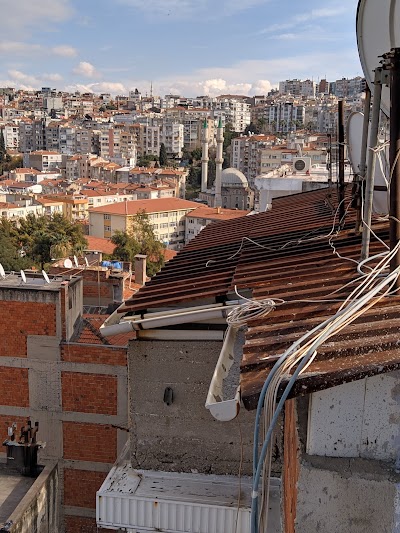
Karataş
For Photographers and those seeking a quiet, scenic base. The trade-off is steep walking climbs and limited dining options.
The historic Jewish quarter, built on steep cliffs overlooking the sea, featuring narrow streets, old stone houses, and a quiet, nostalgic atmosphere.
Where to stay — Small, family-run guesthouses.
06
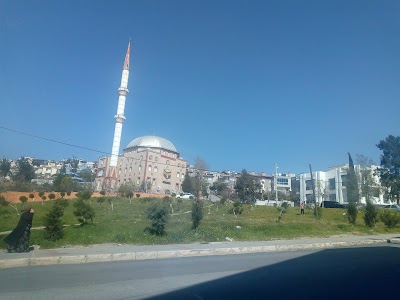
Bornova
For Budget travelers and those interested in alternative music. The trade-off is the lack of sea views and intense summer heat.
An inland university district dominated by student life, leafy campuses, lively cafes, and historic Levantine mansions hidden behind high walls.
Where to stay — Budget-friendly student hostels and basic business hotels.
Book direct
Book a hotel in Izmir
Loading live availability and real-time prices…
Where to eat
Dining
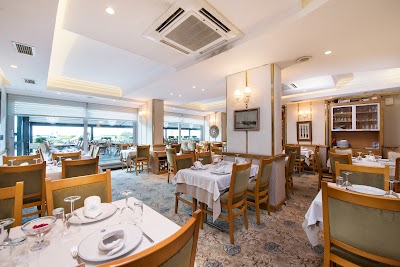
Deniz Restoran
€€€€Alsancak
This is the city's premier white-tablecloth seafood institution, serving impeccably fresh catch directly on the Kordon since 1981.
Signature — Salt-baked sea bass
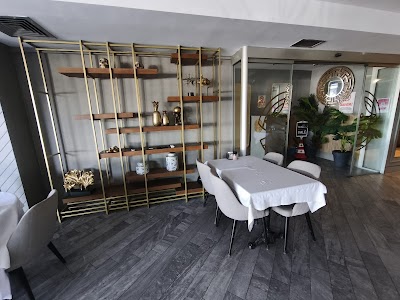
Kordon Yengeç Restoran
€€€Alsancak
Offers a highly refined selection of Aegean mezes and fresh seafood right on the waterfront with a slightly more relaxed atmosphere than Deniz.
Signature — Octopus carpaccio
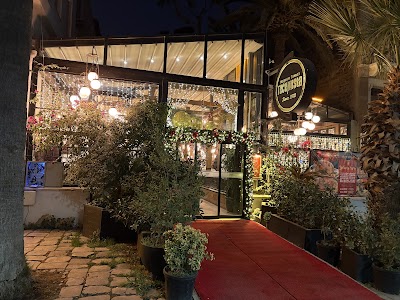
Tavacı Recep Usta
€€€Alsancak
Housed in a grand, historic stone building near the Kordon, serving legendary lamb dishes cooked in traditional copper pans.
Signature — Sac tava (diced lamb cooked on a thin iron skillet)
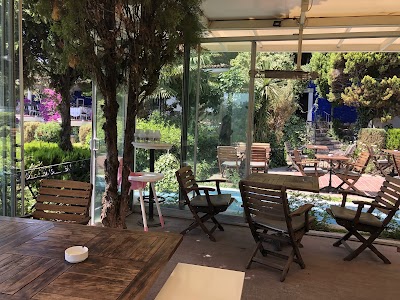
Cumba Restoran
€€€€Bornova
An upscale hillside establishment offering panoramic city views, famous for its dry-aged steaks and extensive wine cellar.
Signature — Dry-aged T-bone steak
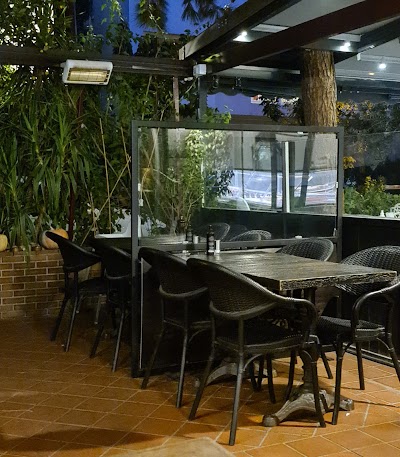
Balmumu Lokanta
€€Alsancak
Chef Ahmet Güzelyağdöken curates rare, traditional Aegean stews and slow-cooked meats that are hard to find in modern restaurants.
Signature — Lamb stew with artichokes
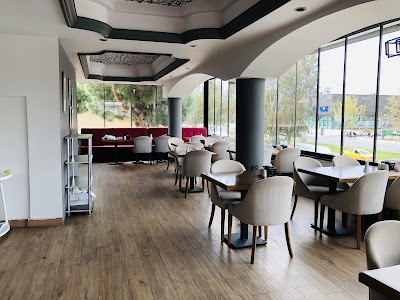
Adil Müftüoğlu - Uğur Lokantası
€€Konak
A legendary tradesman's lunch canteen (esnaf lokantası) operating since the 1950s, serving exceptional slow-cooked Ottoman-Aegean classics.
Signature — Elbasan tava (baked lamb in a savory yogurt sauce)
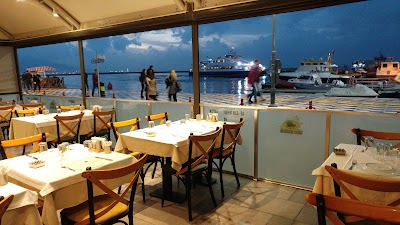
Sakız Alsancak
€€€Alsancak
Combines a modern waterfront setting with traditional Aegean meze recipes made with premium local olive oil.
Signature — Warm samphire (deniz börülcesi) in olive oil
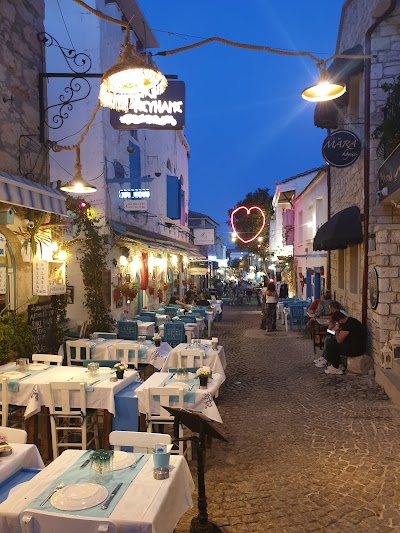
Şerefe Meyhane
€€€Bostanlı
A lively contemporary tavern known for its vibrant atmosphere, excellent cold mezes, and local acoustic music.
Signature — Grilled mastic octopus
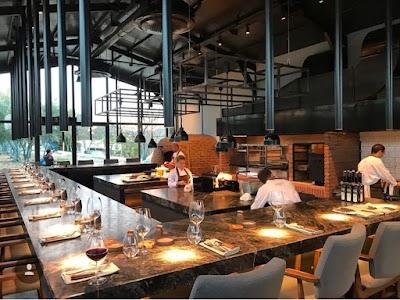
OD Urla
€€€€Urla
A Michelin-starred destination set in an olive grove, featuring an open-kitchen concept where dishes are cooked over an open wood fire.
Signature — Seasonal wood-fired tasting menu
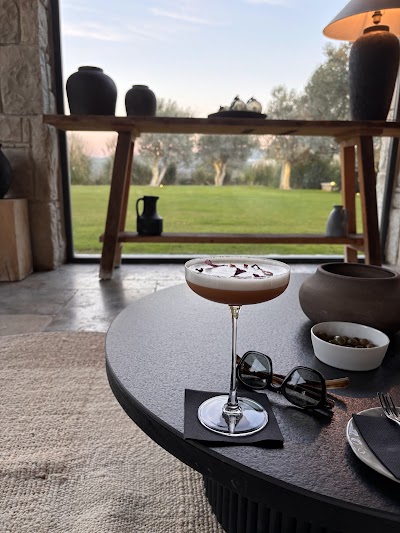
Teruar Urla
€€€€Urla
A Michelin-starred restaurant and boutique guest house focusing on minimalist, ingredient-driven Mediterranean plates.
Signature — Handmade pasta with local wild mushrooms and truffles
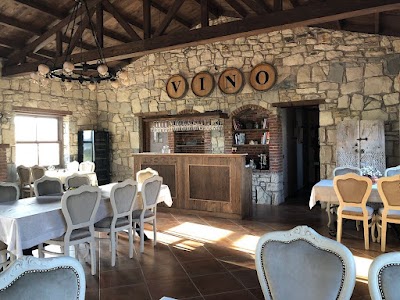
Vino Locale
€€€€Urla
An intimate, Michelin-starred trattoria-style restaurant that changes its menu monthly to reflect the exact harvest of the region.
Signature — Slow-cooked beef cheek paired with local red wines
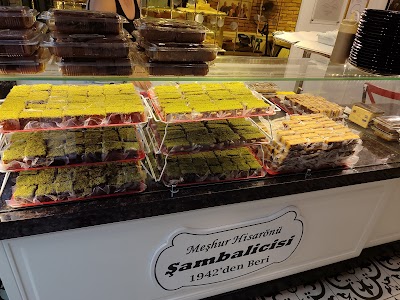
Meşhur Hisarönü Şambalicisi
€Kemeraltı
A tiny, historic stall serving the city's most famous traditional semolina cake since 1942.
Signature — Şambali cake topped with clotted cream (kaymak)
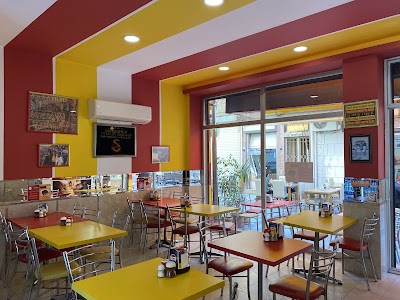
Söğüşçü Cimbom
€Kemeraltı
The ultimate spot to try the city's signature cold offal wrap, prepared with theatrical flair by the counter chefs.
Signature — Söğüş (spiced sheep's head meat, brain, and tongue wrapped in flatbread)
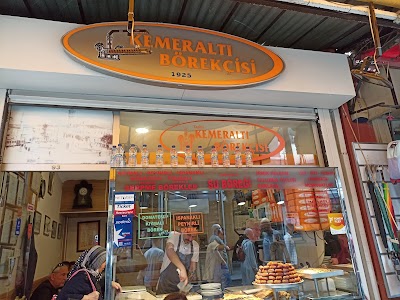
Tarihi Kemeraltı Börekçisi
€Kemeraltı
A historic bakery serving incredibly flaky, savory pastries perfect for a quick, traditional morning bite.
Signature — Kıymalı su böreği (savory boiled pastry with minced meat)
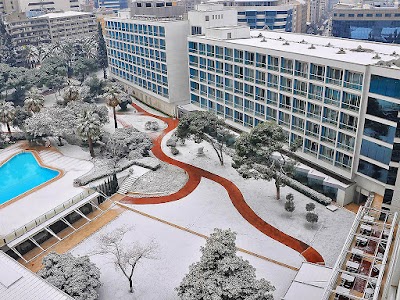
Vegg'inn
€€Alsancak
A dedicated plant-based cafe offering creative bowls, sugar-free desserts, and veganized Turkish classics in a bright, modern space.
Signature — Vegan moussaka
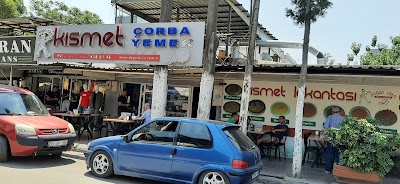
Kısmet Lokantası
€€Kemeraltı
A traditional lunch spot that excels in seasonal vegetable dishes, offering an array of olive oil-braised greens and stuffed vegetables.
Signature — Stuffed zucchini flowers (kabak çiçeği dolması)
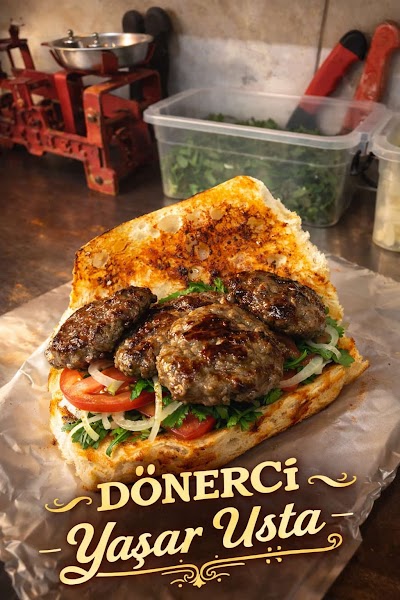
Yaşar Usta Sorbet
€Bostanlı
Famous for natural, dairy-free fruit sorbets made with zero artificial additives or preservatives.
Signature — Melon and fresh fig sorbet
After dark
Nightlife

1888
Alsancak
Housed in a beautifully restored Levantine mansion, this is the city's premier venue for house and techno music.
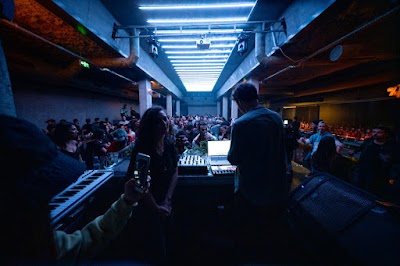
Kalt Izmir
Bornova
A massive warehouse-style venue that regularly hosts international techno and electronic DJs.

Container Hall
Bornova
A converted industrial space popular with the local university crowd for alternative music events and themed dance parties.
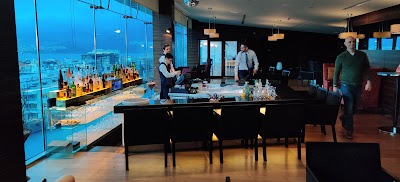
Sky Bar
Alsancak
Located atop the Swissôtel Büyük Efes, offering the most dramatic panoramic views of the gulf alongside high-end mixology.
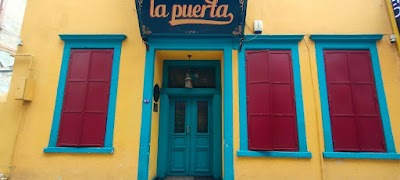
La Puerta
Alsancak
A sprawling, travel-themed bar with an extensive international beer list and creative cocktails set in a lively courtyard.
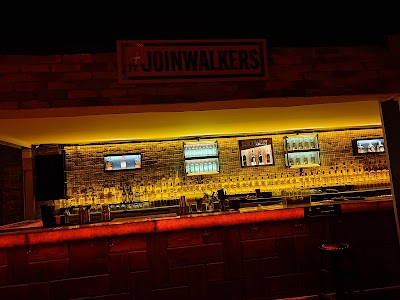
Bios Bar
Alsancak
The city's go-to venue for live Turkish rock and alternative bands in an intimate indoor setting.
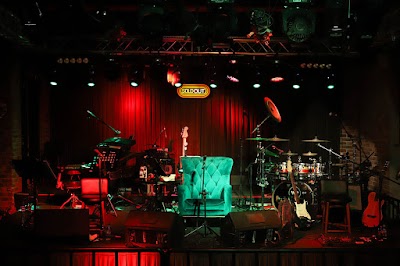
SoldOut Performance Hall
Mavişehir
A modern, high-tech venue hosting major Turkish pop, rock, and jazz artists.
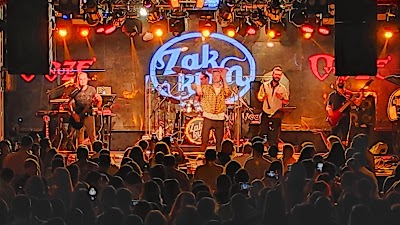
Ooze Venue
Bornova
A massive, long-running concert hall catering largely to the student population with frequent rock gigs.
Art & history
Culture
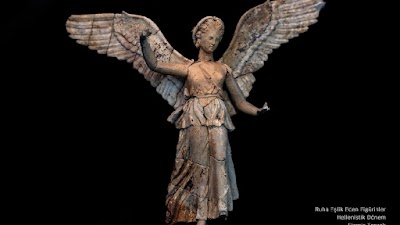
Izmir Archaeological Museum
Konak
Houses an impressive collection of gold, bronze, and marble artifacts salvaged from ancient sites like Smyrna, Ephesus, and Miletus.
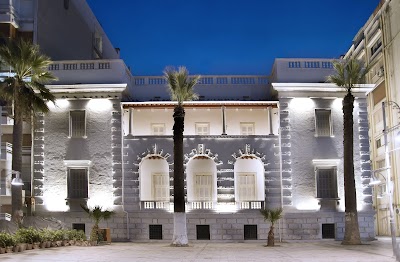
Arkas Art Center
Alsancak
Located in the historic French Consulate building, hosting world-class rotating art exhibitions from international collections.
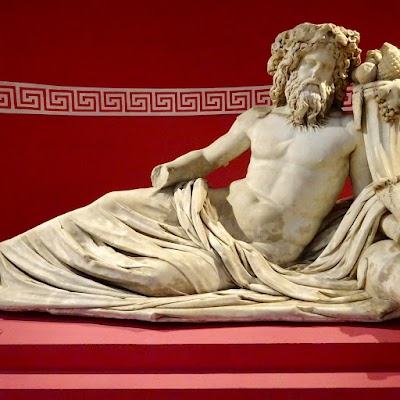
Izmir Museum of History and Art
Kültürpark
Features three separate pavilions dedicated to stone artifacts, ceramics, and precious objects from antiquity.
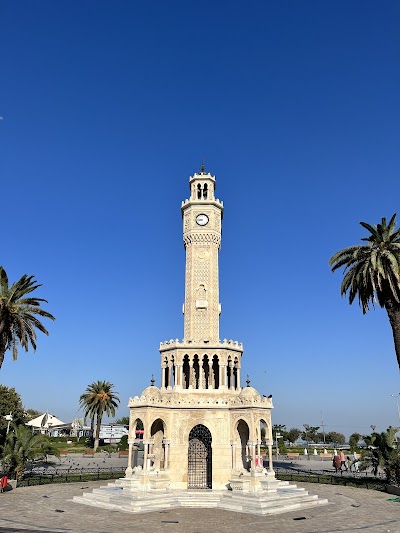
Izmir Clock Tower
Konak Square
Designed by French architect Raymond Charles Père in 1901, this elegant Ottoman-era tower is the definitive symbol of the city.
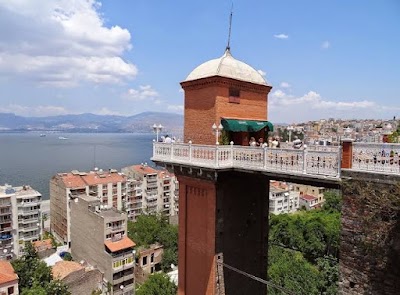
Tarihi Asansör
Karataş
A historical brick elevator built in 1907 to connect the coastline with the steep clifftop neighborhood, offering panoramic views.
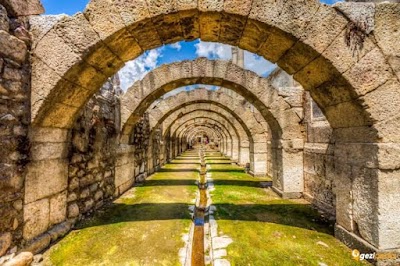
Agora of Smyrna
Namazgah
One of the few ancient agoras in the world built within a modern city center, featuring intact colonnades and vaulted chambers.
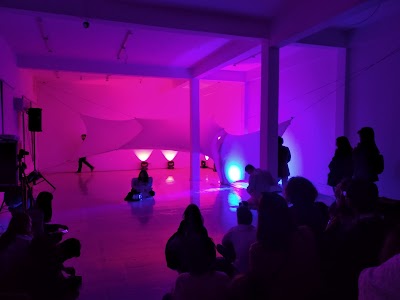
K2 Contemporary Art Center
Alsancak
A pioneering independent space supporting local and international avant-garde artists through exhibitions and residencies.
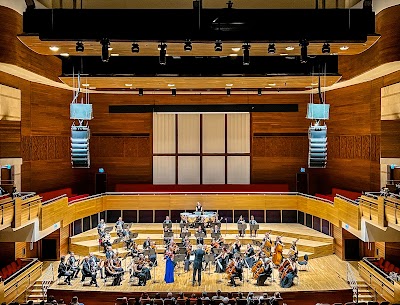
Ahmet Adnan Saygun Arts Center
Göztepe
A state-of-the-art cultural complex known for its world-class acoustics, hosting art galleries and classical concerts.
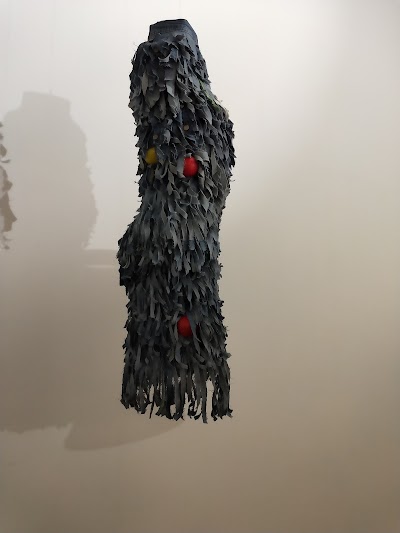
Kültürpark Atlas Pavilion
Konak
A spacious venue within the city's central park hosting large-scale contemporary art installations and cultural events.
Book ahead
Top-rated experiences in Izmir

Seven Churches of Revelation Tour ( Private)
from $1363

Private Ephesus Tour from Izmir
from $412

Private Izmir to Ephesus Full-Day Customizable Tour
from $305

Kusadasi Izmir Airport (ADB) Private Transfer
from $105

Pergamon Tour From Izmir
from $225

Ephesus Private Day
from $406

Private Express Ephesus Tour from Izmir Port / Cruisers only
from $313

4-Day Private Pilgrimage Tour to the 7 Churches of Asia Minor
from $1371
Prices from Viator; we may earn a commission when you book — at no extra cost to you. Tours are sold and operated by Viator, the merchant of record. Ratings are collected by Viator and Tripadvisor.
Timing
When to visit
Spring
April to June brings mild temperatures, blooming wild herbs in the surrounding hills, and the annual Izmir International Festival, which hosts classical music and theater performances in historic venues.
Summer
July and August are intensely hot and humid. The city center empties out as locals flee to nearby beach towns like Çeşme and Alaçatı, though evening sea breezes bring some relief to the Kordon.
Autumn
September to November is excellent for exploring. The sea remains warm enough for swimming, the summer crowds have departed, and the grape harvest begins in the nearby Urla wine region.
Winter
December to March is rainy and chilly, though rarely freezing. It is a quiet time to explore museums and indoor bazaars without the tourist crowds.
What it costs
Budgeting
Logistics
Getting around
From the airport
Adnan Menderes Airport is exceptionally well-connected. The IZBAN suburban train line runs directly from the terminal to central stations like Alsancak and Hilal. Alternatively, Havaş shuttle buses run regularly to Alsancak and Karşıyaka, while city bus 202 offers a budget-friendly night service.
Public transit
The transit system is highly efficient, consisting of a metro line, an extensive tram network running along the waterfront, and the IZBAN commuter rail. The most scenic way to travel across the gulf is via the public passenger ferries connecting Konak, Alsancak, and Karşıyaka.
Passes & tickets
The İzmirim Kart is the essential reusable transit card. It can be purchased and loaded with credit at any major station for a low fee (budget band €), offering discounted fares and free transfers within a 120-minute window.
On foot
The central waterfront areas, including Alsancak, Konak, and Karşıyaka, are flat and highly walkable. However, moving inland toward neighborhoods like Karataş or Kadifekale involves steep climbs and uneven sidewalks.
Travel smart
Safety & etiquette
Local etiquette
- •Dress respectfully when entering mosques (such as Hisar Mosque), covering shoulders and knees.
- •Drinking alcohol in public parks along the Kordon is common and socially accepted, but avoid excessive public intoxication.
- •Bargaining is expected in the Kemeraltı bazaar, but do so politely and with a smile.
From the ground
Practical tips
1
Get an İzmirim Kart immediately at the airport or metro stations for seamless travel across ferries, trams, and metros.
2
Avoid taking unmetered taxis; always ensure the meter is running, or use the BiTaksi app to book.
3
Visit Kemeraltı Bazaar in the morning when it is cooler and less crowded, and most food stalls are fully stocked.
4
Take the ferry instead of the metro when crossing the gulf; it is cheap, scenic, and offers a classic local experience.
5
Book Urla fine dining restaurants (like OD Urla) weeks in advance, as they operate on strict reservation-only policies.
6
Wear comfortable, non-slip shoes when visiting the Agora or walking the cobblestones of Kemeraltı.
Izmir FAQs
Is Izmir safe for solo female travelers?
Yes, it is widely considered Turkey's most liberal and progressive city, making it highly comfortable and safe for solo women.
How many days do I need to explore?
Three days is ideal to explore the city center, Kemeraltı, and take a day trip to Ephesus or the Urla vineyards.
Can I drink tap water?
No, locals do not drink tap water; stick to bottled water which is cheap and widely available.
What is the best way to pay?
Credit cards are accepted almost everywhere, but carry some cash (Turkish Lira) for small bazaar stalls and public transit cards.
Is English widely spoken?
Yes, in tourist areas, hotels, and trendy cafes, though learning a few Turkish phrases is highly appreciated in the bazaar.