The Izmir issue
The Weekend West of Izmir in Çeşme and Alaçatı
An hour's drive west of Izmir buys flat-water wind, two Michelin-listed kitchens, free coves and a 25-minute crossing to Greece. Here is how to order the days.
By Joris van der Veldeİzmir on foot and by ferry
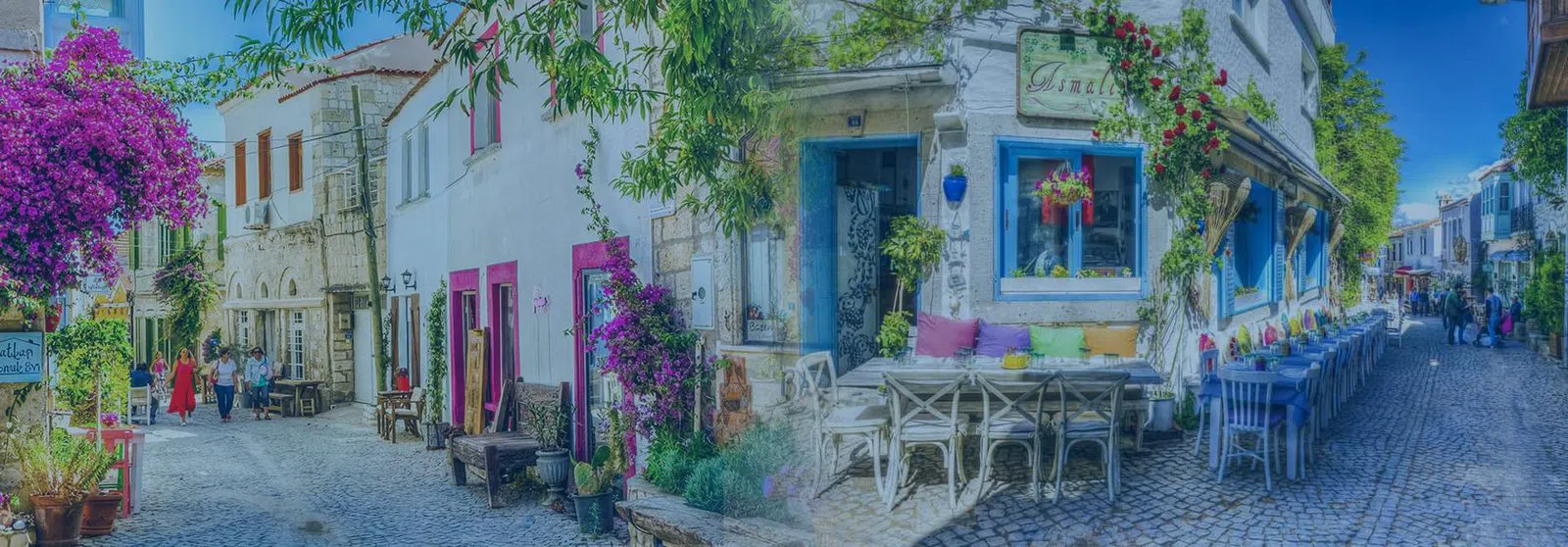
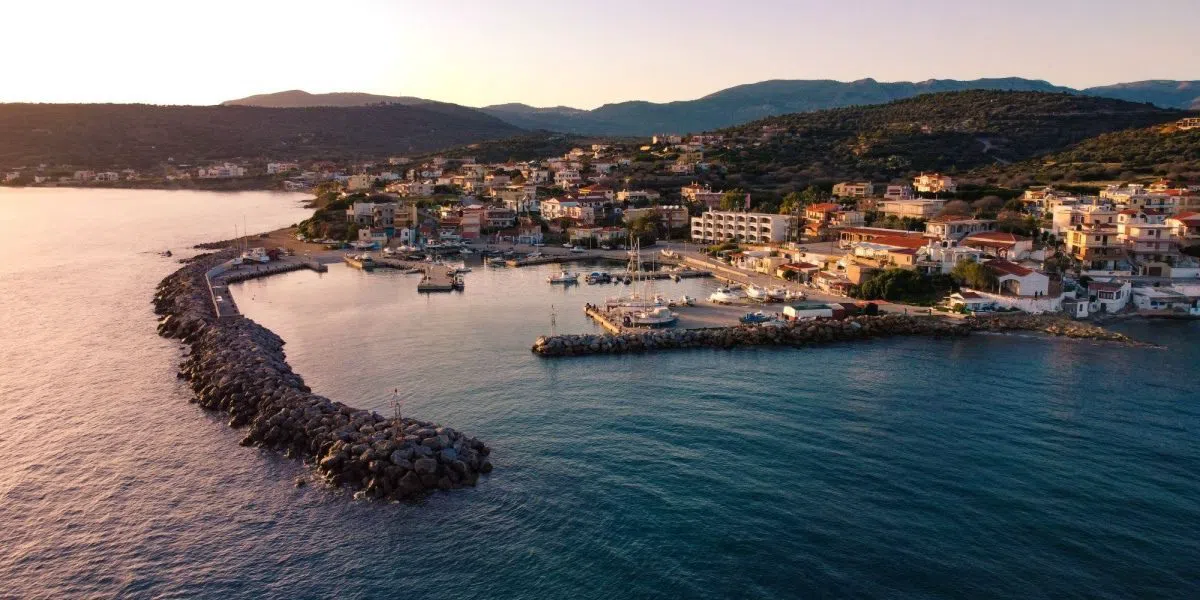
The wind is the thing to plan around. Izmir sits about 85 km east of the end of the peninsula, roughly an hour on the motorway, and by the time you clear the last ridge the afternoon meltem is usually already standing the sails up over the bay at Alaçatı. Çeşme and Alaçatı work as a long day out of the city; they work considerably better as two or three nights.
Getting west of the city
Driving is the simple version. The O-32 runs from the southern edge of Izmir to Çeşme with one toll gate, and outside high summer it is an hour door to door. In July and August, add thirty to forty minutes on Friday evenings and Sunday afternoons, when the whole city moves out and back on the same two half-days. The road is not the problem. Parking in the old centre of Alaçatı is: leave the car on the edge of the village and walk in, because the cobbled lanes are pedestrian by sheer volume even where they are not by law.
It also works without a car. Buses run through the day from Izmir's Üçkuyular terminal to Çeşme's bus station in about an hour and a quarter, and from there dolmuşes fan out to Alaçatı, Ilıca and Ovacık every few minutes in season and every half hour or so outside it. What you give up is the far ends of the peninsula: the wild coves and the ancient site are reachable on public transport, but each one then costs the better part of a day rather than an hour. If two of you are staying three nights and want the coves, the beach clubs and one archaeological detour, hire the car. For a single day of village, market and lunch, the bus is honestly fine.
Where you sleep decides how much of this you see. Basing yourself in the city and commuting west burns two hours a day. There is enough in town to justify starting with the Izmir guide and a couple of nights before you get on the motorway, and the Izmir hotel search covers that end. Move to the coast afterwards rather than trying to do both from one bed.
Plan your Izmir trip
Live prices from our booking partners.
Free cancellation on many rooms. We may earn a commission when you book.
The bay that sails flat
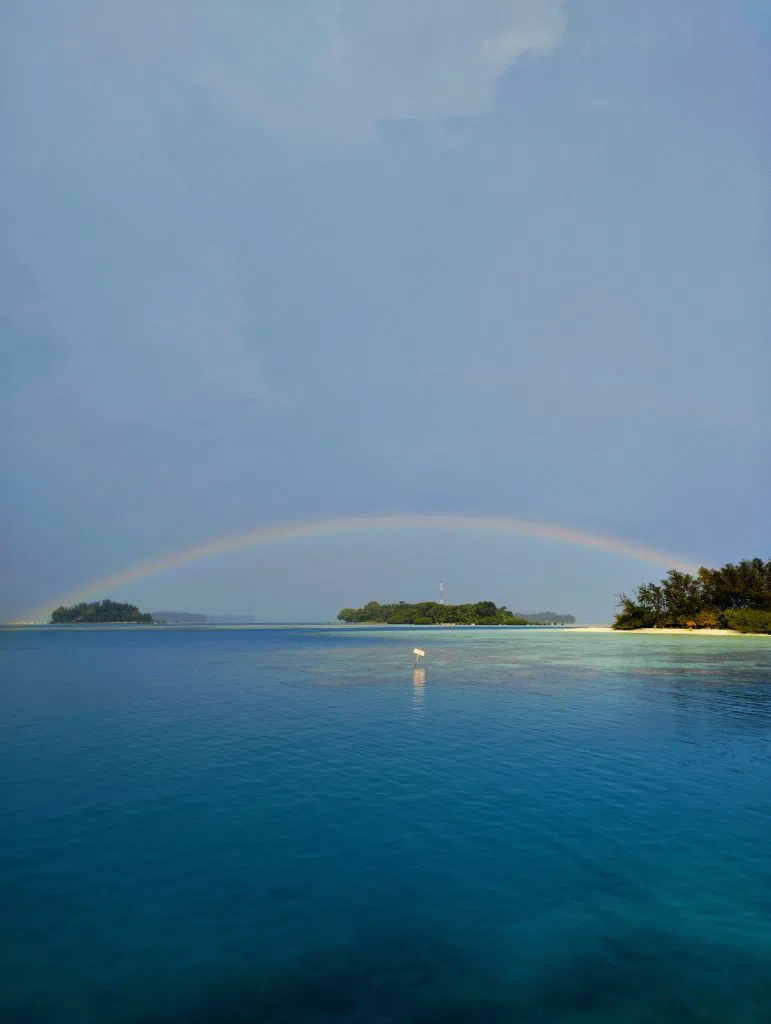
The bay south of Alaçatı is the reason a lot of people come at all, and the water explains itself in about a minute: sandy bottom, waist-deep a long way out, and a wind that arrives most summer afternoons with unusual reliability.
ASPC — Alaçatı Surf Paradise Club (Alaçatı bay) has been there since 1995 and is ranked among the handful of serious freeride centres worldwide, which in practice matters less than its capacity. It can launch 200 boards in a day, runs group lessons, private coaching and children's camps, and stays open twelve months a year. Lesson packages run roughly €60-150, with board rental by the half-day. It is the one operator on the peninsula that can absorb a large party at short notice, so if you are eight people who decided on Thursday, start here. It is also a genuine beginner venue: the shallow, flat water means a first day ends with you sailing rather than swimming after your kit.
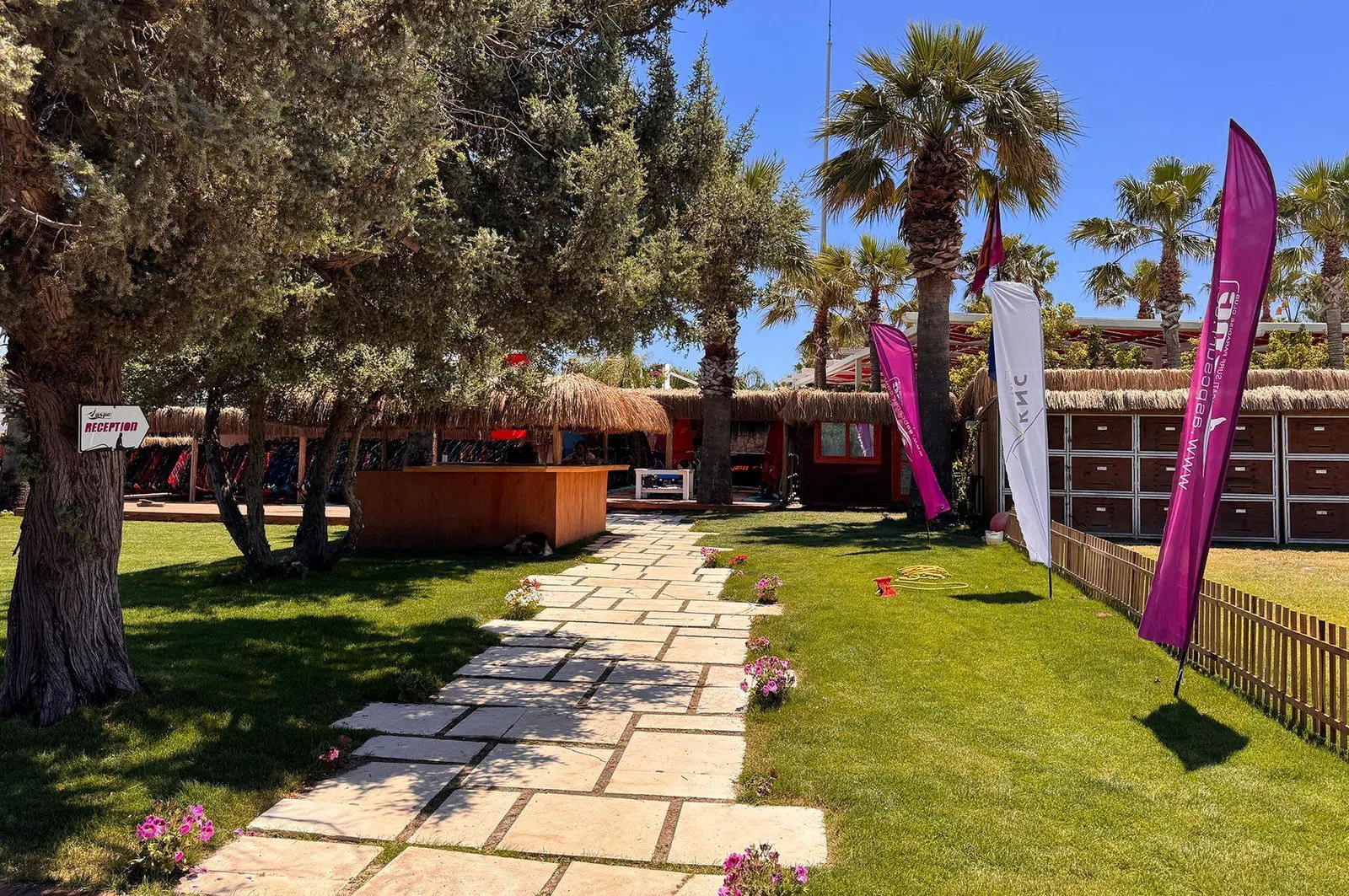
Myga Surf City (Alaçatı bay) is the other serious school, founded in 2005 and weighted towards kitesurfing and wing foil. Multi-day kite courses come in at roughly €150-300, and it runs four-week children's programmes for ages 7-17, equipment storage, boat trips and private coaching on request. Worth having in your pocket for a windy August weekend when ASPC is booked out.
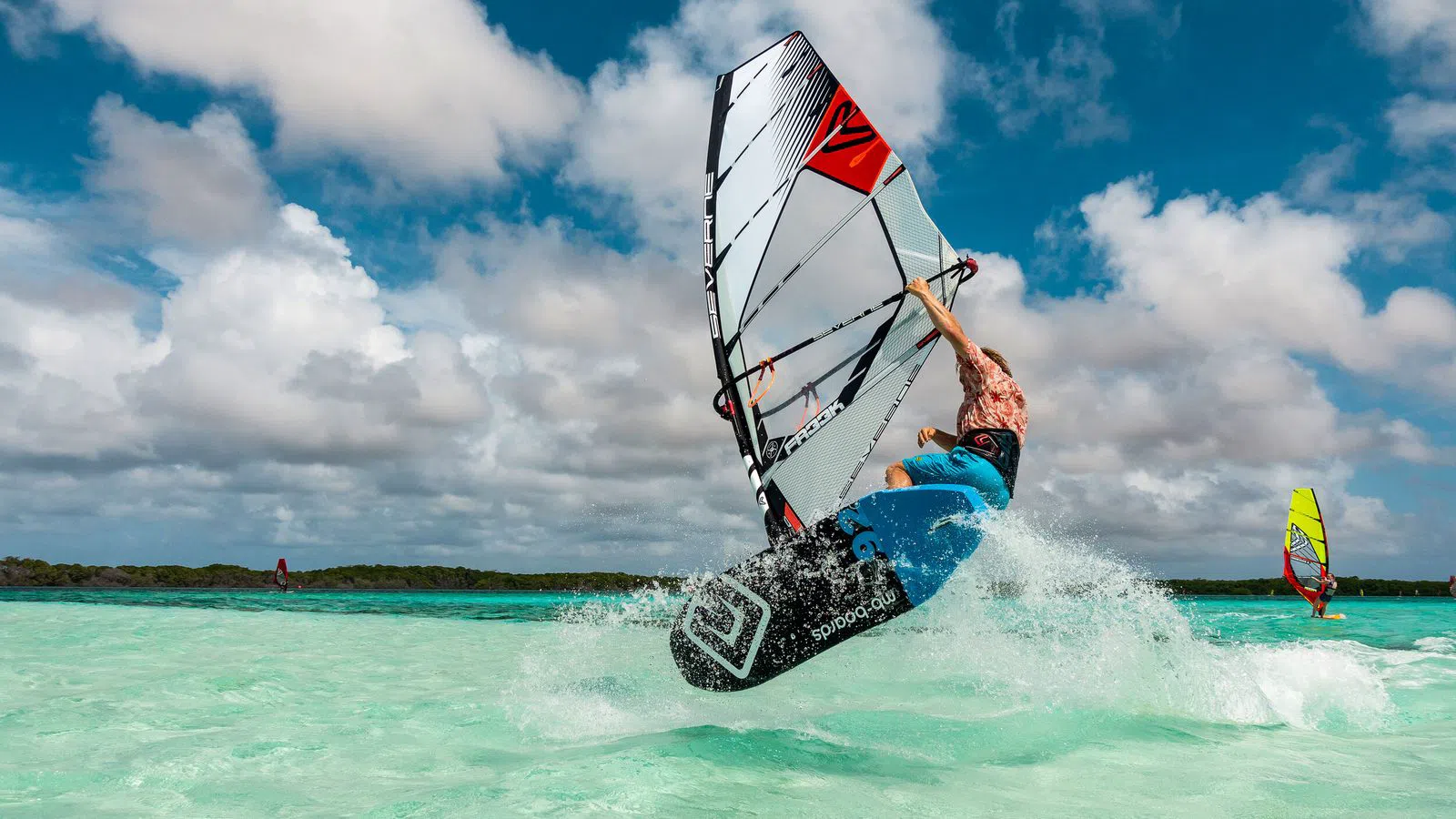
Honest verdict: if nobody in the group intends to get on the water, the bay is not a beach in the sunbathing sense. Send the sailors here and take everyone else to Ilıca or a cove.
Beach clubs and the beaches that cost nothing
Two of the peninsula's beach clubs sit at opposite ends of the same idea, and picking wrong ruins a day.
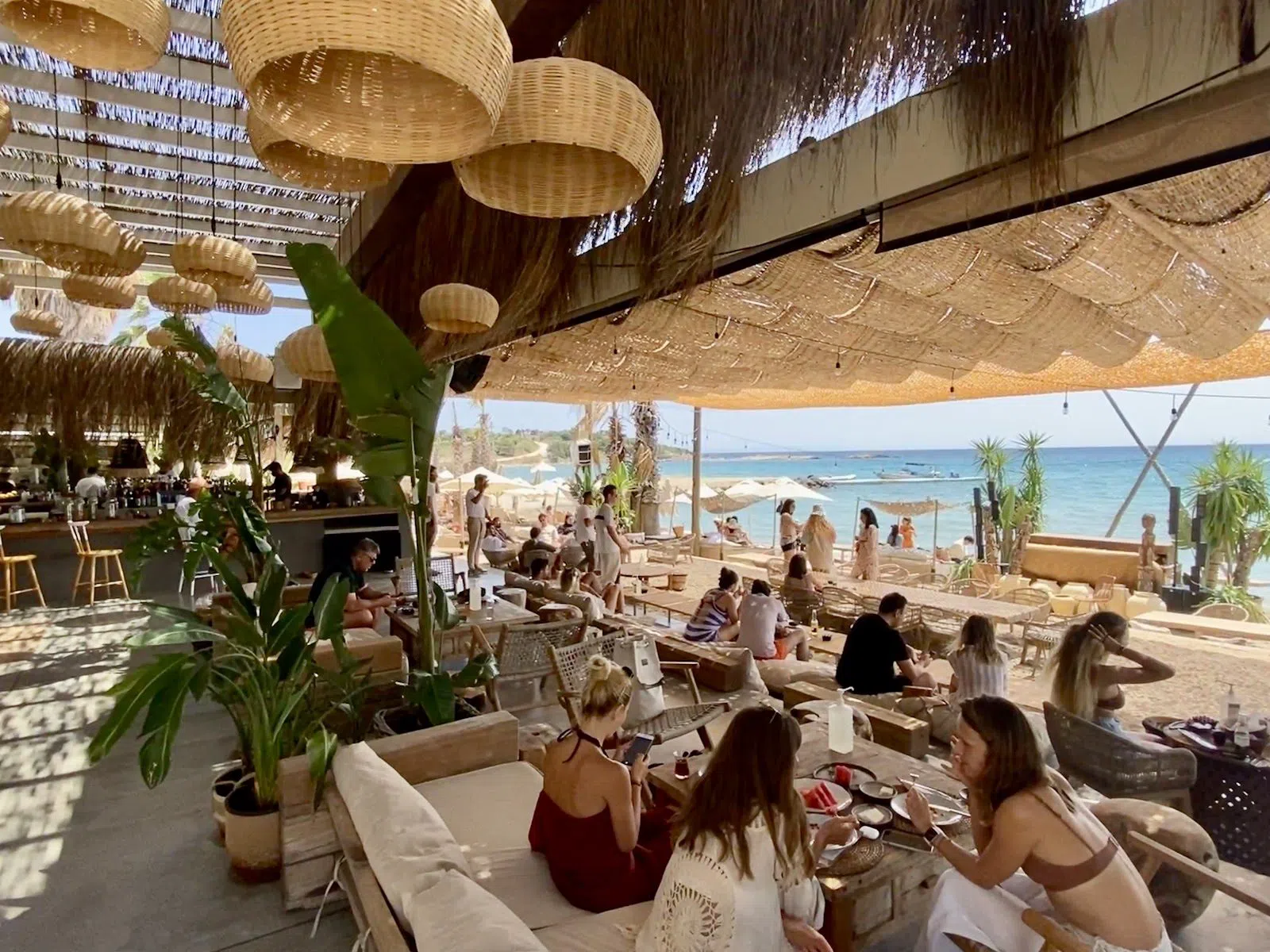
Before Sunset Beach (Çeşme) is the calm one. Reservation is required through its own site, gates open at 10:30 daily in season, and the facility fee (around 2,000 TL on weekdays and 3,000 TL on Saturdays per person) covers a sunbed, umbrella, towel and showers. Capacity is 500, it is pet friendly, and happy hour runs Friday to Sunday, 17:00-23:00. It takes groups, but the crowd is couples, families and people who want to read. Book it if the loudest thing you want to hear is the bar.
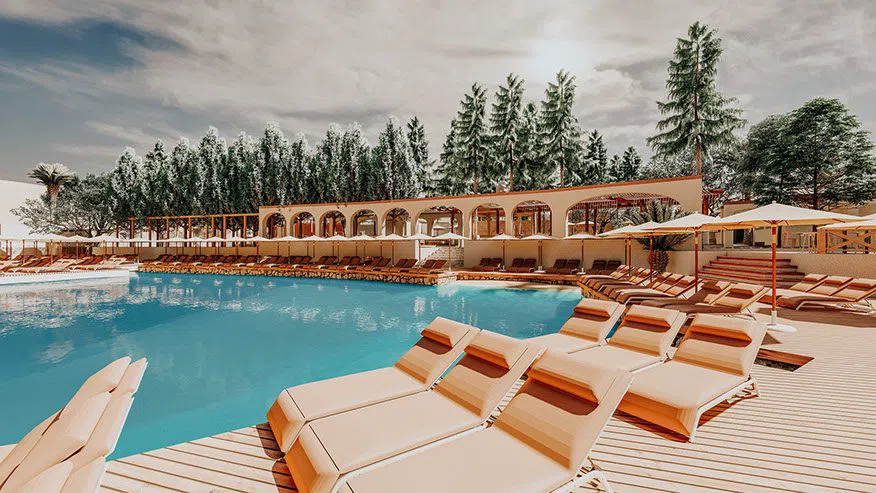
OM Paparazzi Beach (Ayayorgi) is the lively one. It is the long-standing address in that bay, relaunched under the OM name with a redesign and a seafood-led kitchen, with music from the afternoon onward. Entry runs 1,450-4,000 TL depending on the day, and many weekdays are free entry against a minimum spend; weekends mean entry plus a minimum spend. Reserve three to four days ahead in July and August, and understand that front-row beds and cabanas go a good deal earlier than that. It takes groups happily. It is not the place to bring someone who wanted quiet and then complain about the volume.
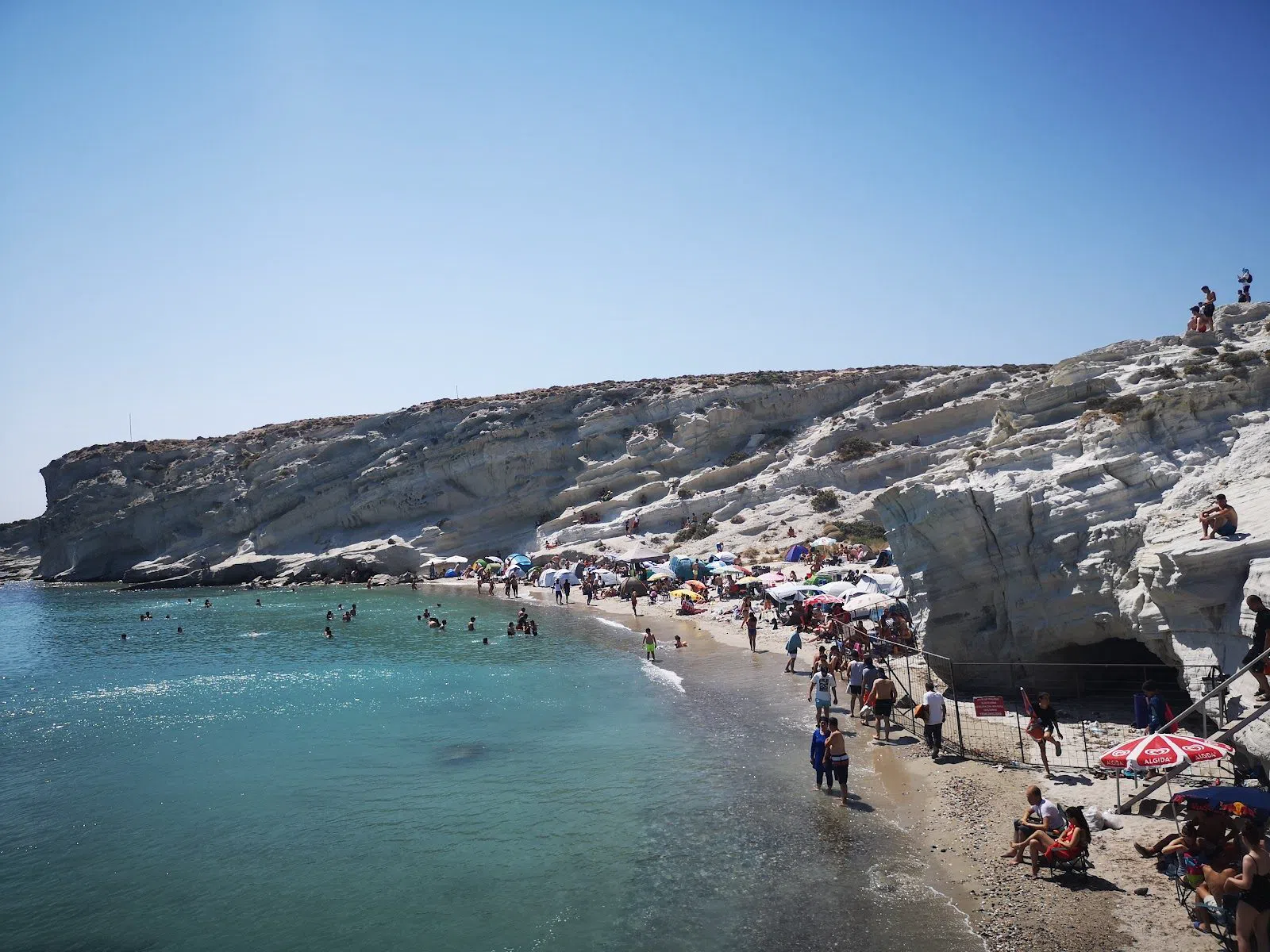
The free alternatives are better than the price suggests. Delikli Koy (about 5 km from Çeşme centre) is completely undeveloped: no kiosk, no lifeguard, no shade after mid-morning. Bring water, food and an umbrella, go early, and treat it as the antidote to entrance fees rather than a facility. It is reachable by dolmuş, and groups are no problem because there is nothing to book.
Ilıca Beach and the Ilıca hot springs (Ilıca, roughly 5 km from Çeşme town) is the one that suits mixed groups. The beach is public and free, with paid loungers along the front at €10-25, and the thermal water (sodium, chloride, magnesium) rises straight into the bay past the Arkas sailing club, so you can soak and swim inside the same hour. The spring end is small and fills up, so arrive before mid-morning if that is the point of the visit. Hotel thermal pools along the front charge separately.
Where the food is worth the drive
Four kitchens carry the peninsula, and no two of them do the same job.
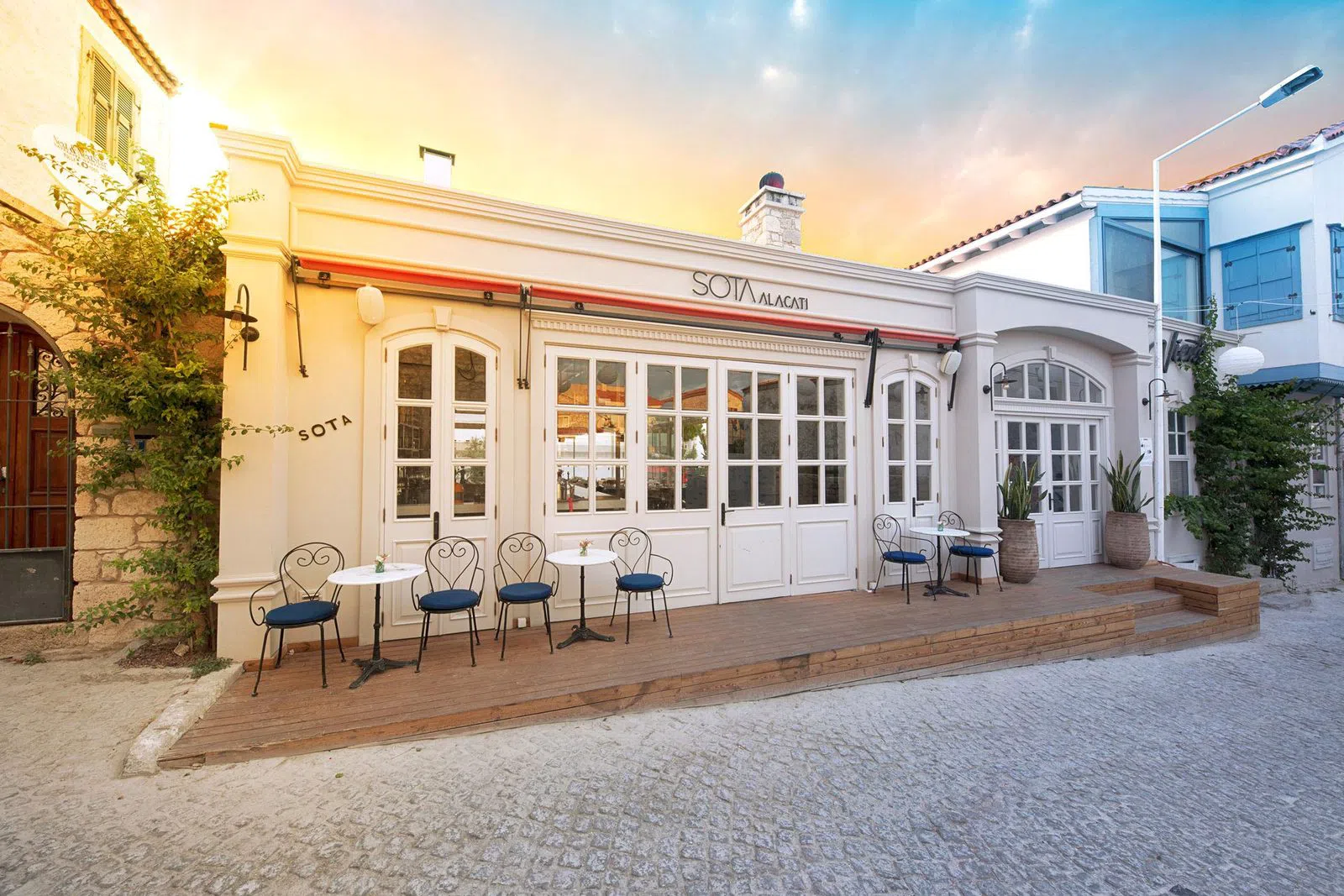
Sota Alaçatı (Alaçatı) has been in the MICHELIN Guide Türkiye selection for 2024, 2025 and 2026, and it is the dependable choice for fine seafood in the village. Shellfish is the reason to come; expect roughly €50-90 a head with wine. It takes groups by reservation and the garden splits into larger tables, but for a July or August weekend you need to book several days ahead, not on the day.
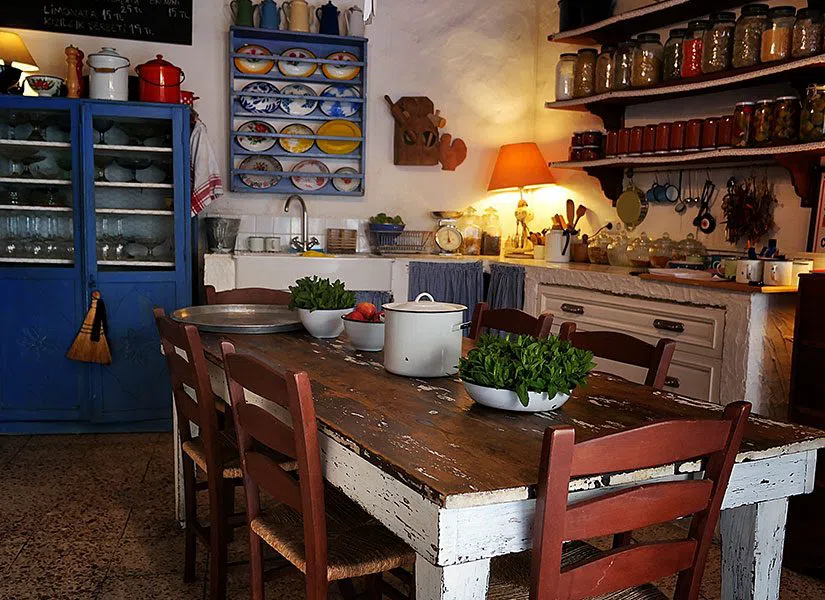
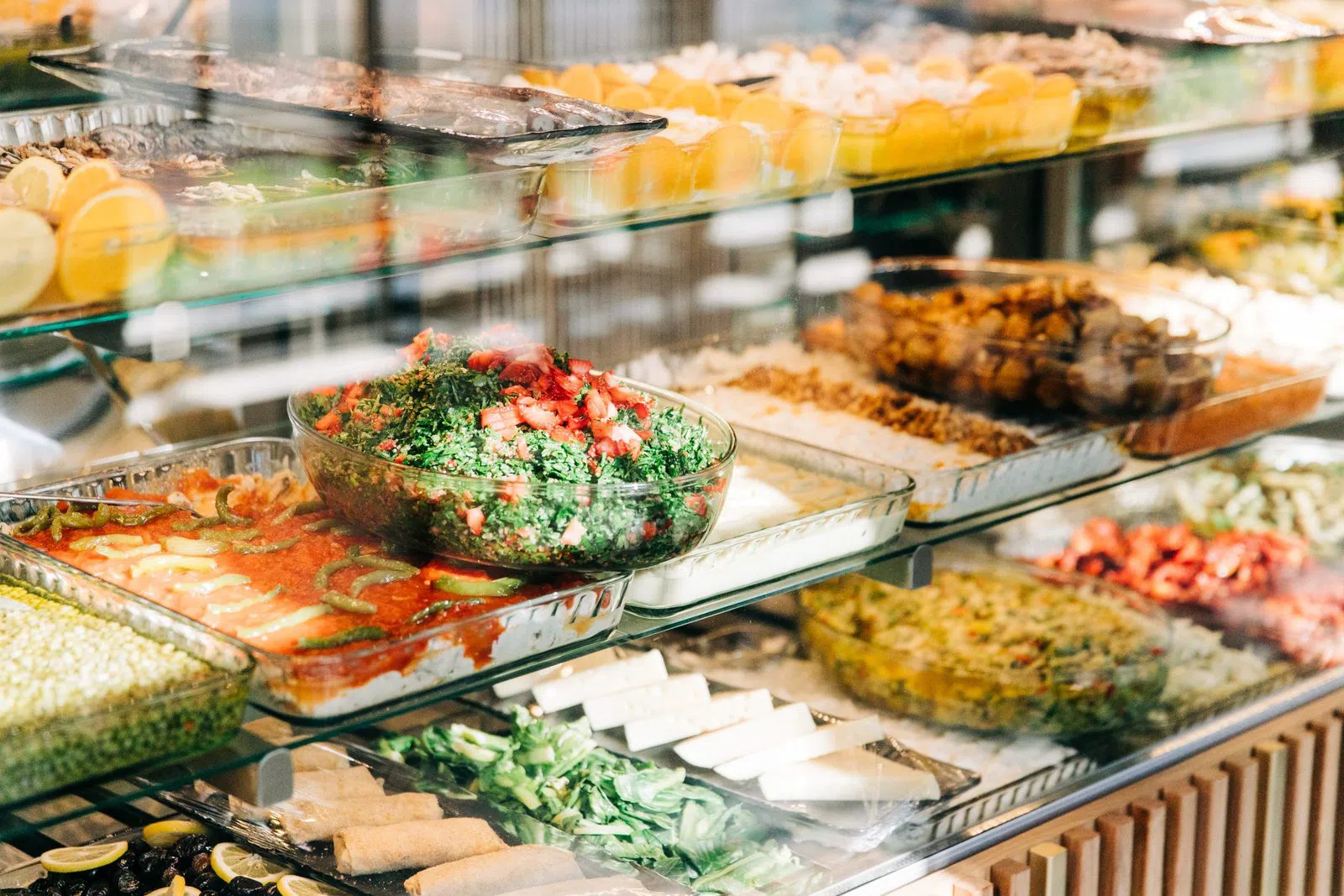
Asma Yaprağı Tarla (farmland outside Alaçatı) is the one to plan the trip around if you eat seriously. Ayşe Nur Mıhçı moved the original village restaurant out to the farm in 2020, and the format is unchanged: you walk the counter and point at what you want rather than order from a menu. Around 400-450 TL per person for the meze spread, more with wine. Reservation is essential, groups are seated in the garden, and lunch and dinner run separate menus. Lunch, which closes at 17:00, is the calmer sitting and the one I would book.
Ferdi Baba (Çeşme Marina) is the classic point-and-choose fish house, founded at Aya Yorgi in 1981 and now the default for a long table on a terrace. Roughly €35-70 a head depending on what you pick. One firm piece of advice: the fish is priced by weight, so agree the weight and the price before it goes to the kitchen, every time, with no embarrassment about it. There is a second branch at MarinAlaçatı if the marina site is full.
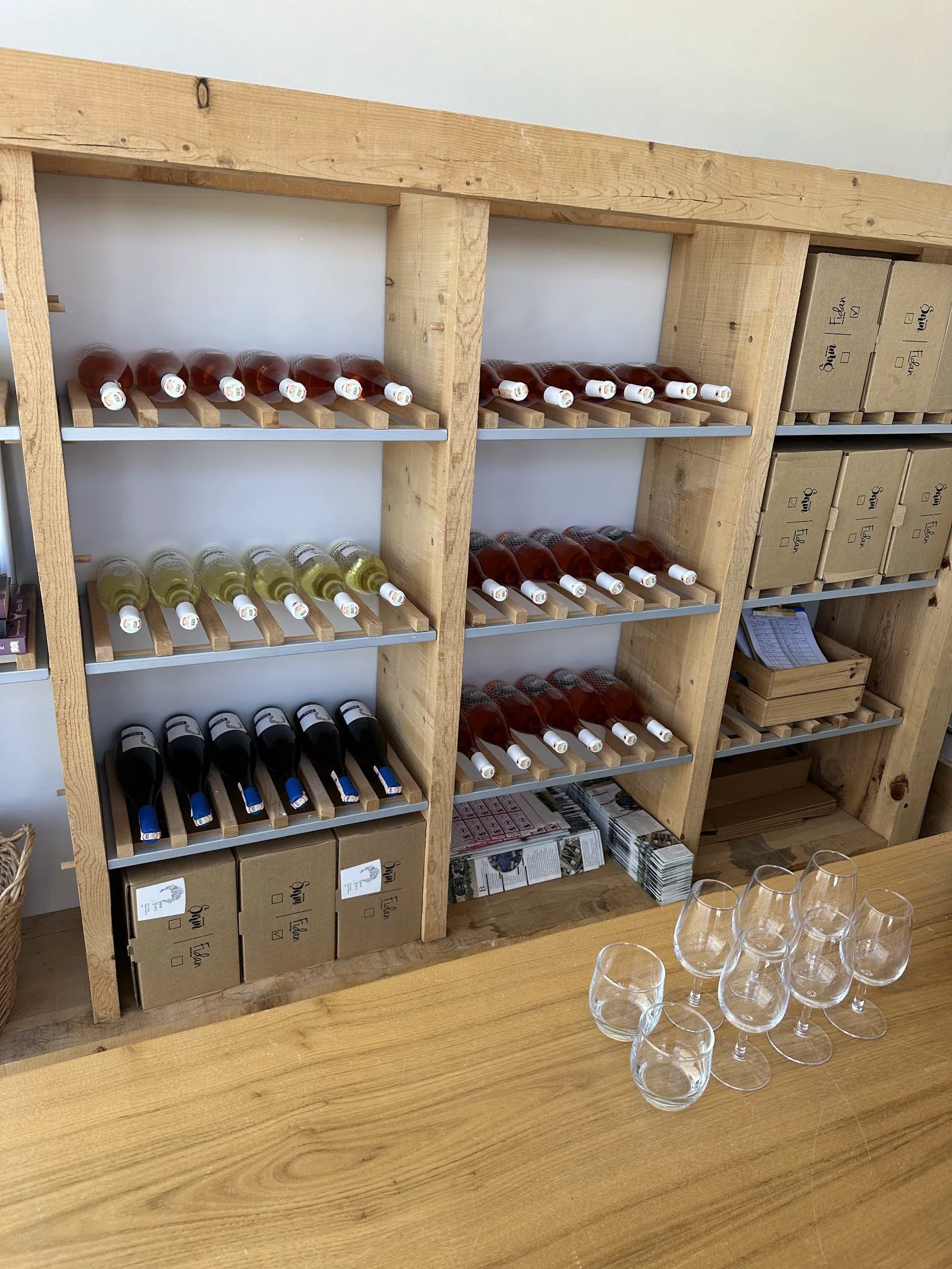
Buradan Ovacık Çeşme (Ovacık) is a chateau-style micro-production winery with a tasting room and a restaurant. Tastings are free (a rosé from Grenache and a light Tempranillo, all grown on site), and chef Melih Teksen's Agrilia has cooked at the vineyard since moving out of the village, so dinner is a proper meal rather than a wine-bar afterthought. The evening terrace runs 18:00-22:00 and is small; call ahead for anything above six people.
Saturday morning in Alaçatı
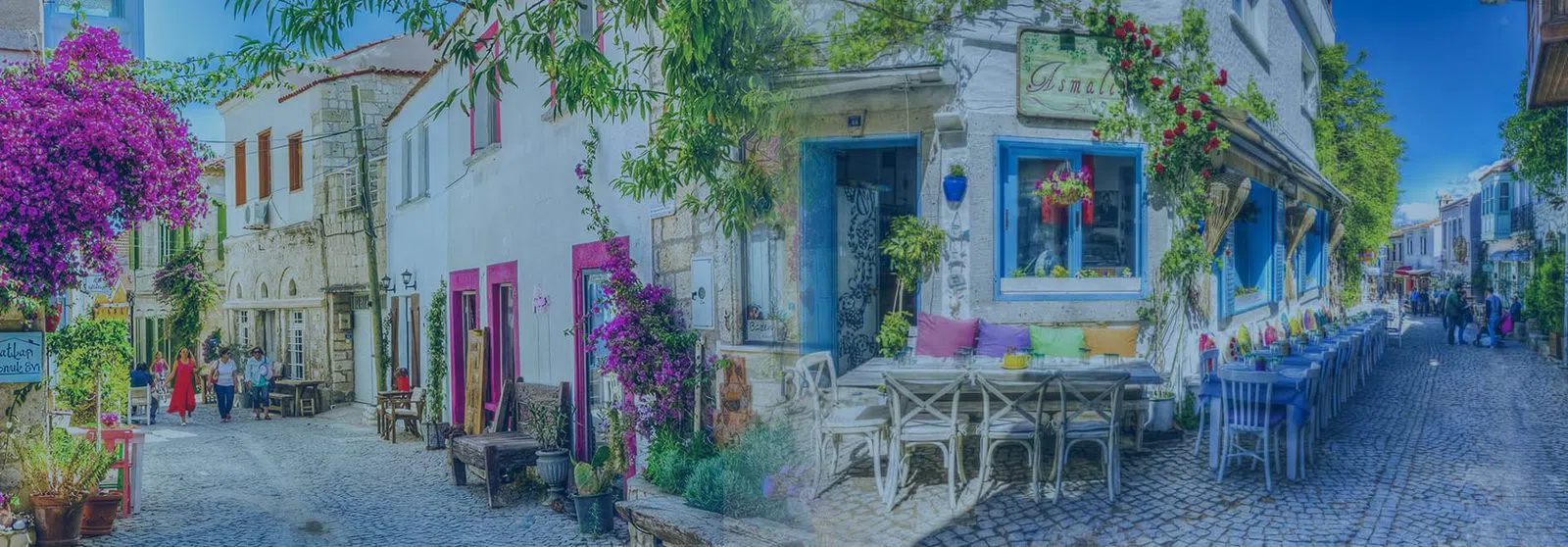
Alaçatı Pazarı (Alaçatı village entrance) runs every Saturday, 08:00-18:00, and it is the one fixed date worth building a weekend around. Entry is free, produce and snacks cost a few euros, and there is nothing to book, so group size is irrelevant. Timing is not: in summer, be in the aisles before 11:00 or you will spend the visit shuffling. Eat there, since the street food is the point as much as the produce, and then keep lunch light.
Stone, walls and one unfenced ruin
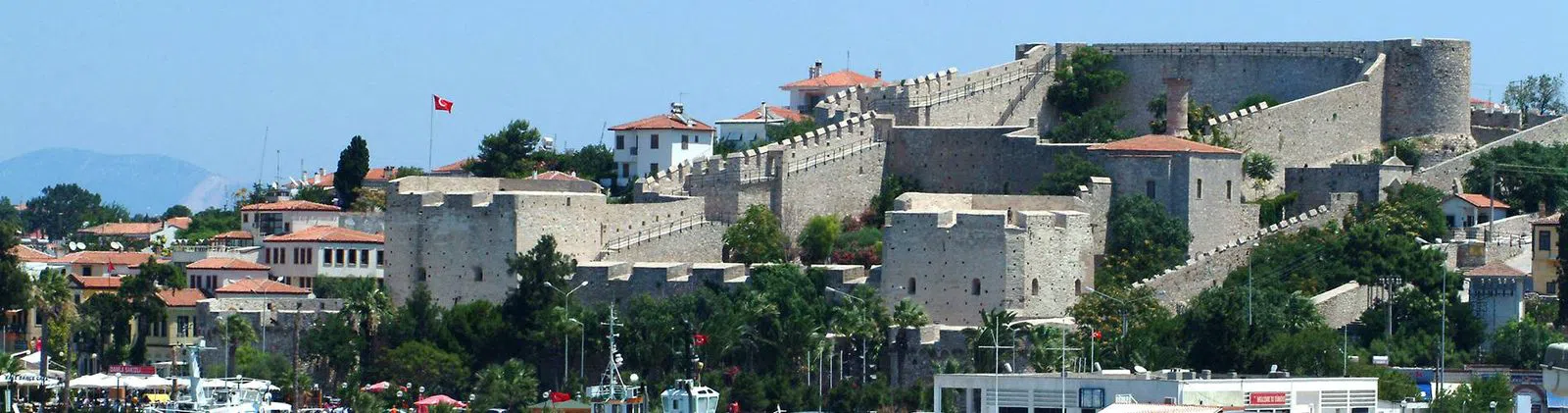
Çeşme Castle and Çeşme Archaeology Museum (Çeşme centre, above the harbour) has been a museum since 1984, inside one of western Anatolia's more significant fortifications. Tickets are walk-in with no group cap: €6 for foreign adults, 200 TL for Turkish visitors, Müzekart accepted. Allow an hour, and spend most of it on the ramparts rather than in the display cases. The wall walk is where you understand how little sea there is between here and Greece.
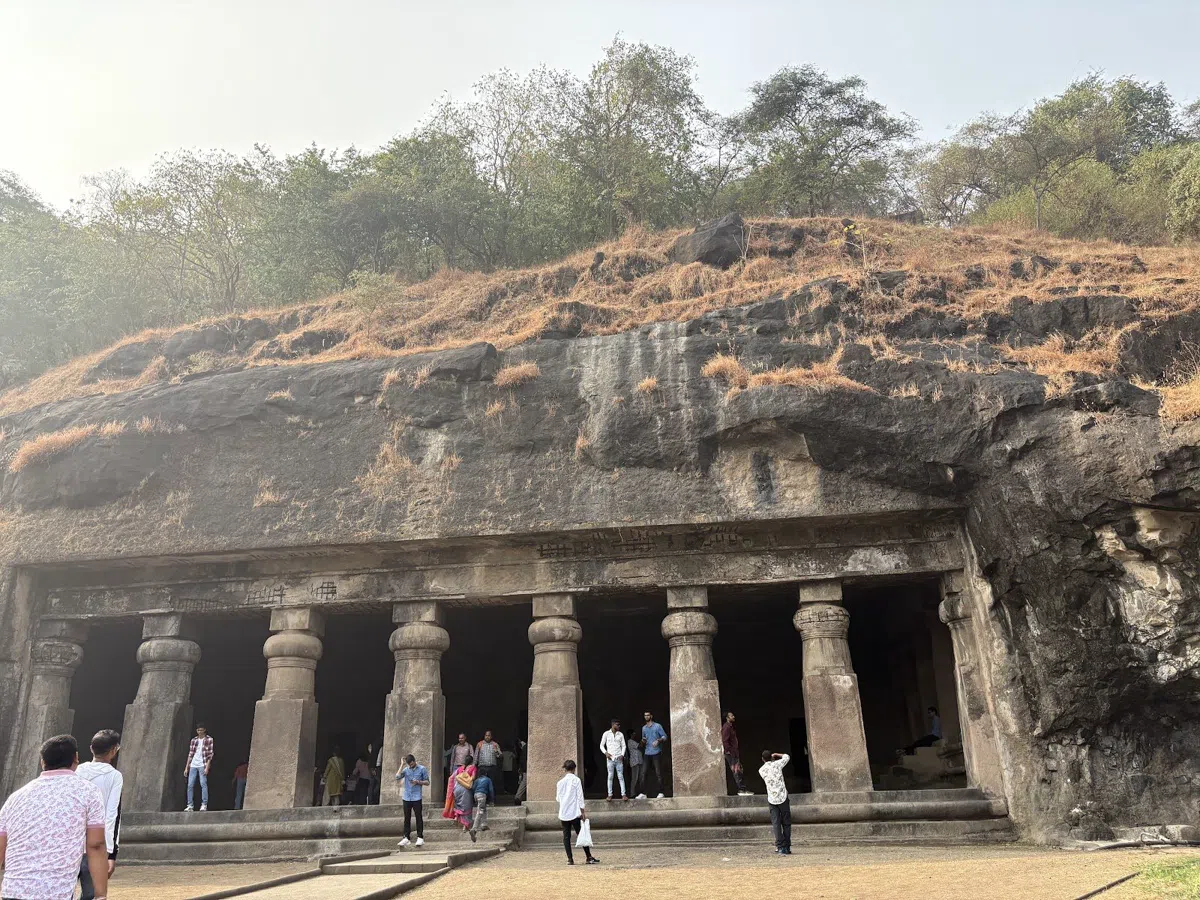
Erythrai archaeological site (Ildır, about 25 km northeast) is the opposite kind of visit: an unfenced open site with no ticket, no tours, no café, no shade and no toilets. Reckon 35 minutes by car or about an hour by dolmuş. Wear proper shoes, because the paths are rocky and uneven, and carry your own water. Groups are fine in the sense that nobody is counting you. If it is 35°C and you have small children, skip it and go to the castle instead.
The short crossing
Ertürk Lines — Çeşme to Chios ferry (Çeşme port, a short walk from the town centre) runs the shortest crossing between Turkey and Greece, 20 to 35 minutes. Fares start around €19 one way and roughly €40-50 return. In summer there are morning and evening sailings each way, which makes a same-day return straightforward; in winter the timetable thins to a few days a week, so check before you build a day around it. Every passenger needs a passport and a ticket in their own name, groups included, and summer weekends need booking ahead. Budget the passport control queue at both ends into your plan rather than the sailing time.
A late drink when everything else has shut
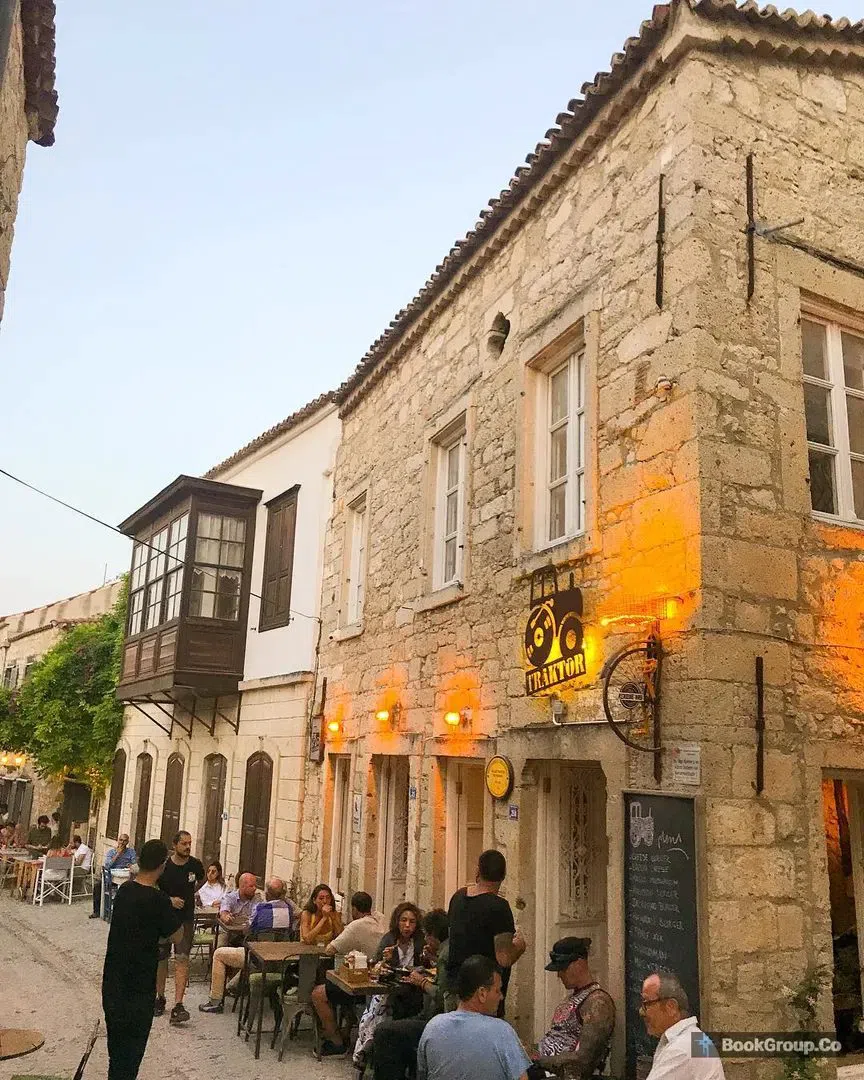
Traktör Alaçatı (Hacımemiş, Alaçatı) is the reliable late one, open year-round when most of the coast is not. Jazz and classical rather than club volume, cocktails around €8-12, and a kitchen if you need it. The rooms are small, so a large group should ring first on 0232 716 06 79 rather than turning up twelve-strong. It is where you end up after the beach clubs close, and in November it may be the only thing open at all.
Practical notes
The car is the efficient option, and the O-32 toll is collected electronically, so make sure the hire company's transponder is active before you leave the lot. Buses from Üçkuyular to Çeşme run through the day and take about 75 minutes; dolmuşes handle everything on the peninsula itself, including Ilıca, Ovacık, Delikli Koy and Ildır. Taxis exist but are the expensive way to reach the coves.
Restaurants, beach clubs and schools take cards. Bring Turkish lira in cash for the Saturday market, dolmuş fares and the free-entry places where the only spend is a cold drink from a van.
June to September is the wind season and also the crowd season. May and late September give you the same water with a fraction of the traffic and most kitchens open. In winter the beach clubs shut, the ferry drops to a few sailings a week, and ASPC and Traktör are among the few things reliably running.
On money: a modest day (public beach, market food, castle, one dolmuş) comes in under €30 a head. A full one, with a beach-club fee, a Michelin-listed dinner and a windsurf lesson, lands nearer €150-200. The single biggest saving on the peninsula is choosing a free cove over a club on the days you only want to swim.
Before you go
How long does it take to get from Izmir to Çeşme?
About an hour by car on the O-32 motorway, roughly 85 km with one toll gate. Buses from Izmir's Üçkuyular terminal take around an hour and a quarter. In July and August, allow an extra thirty to forty minutes on Friday evenings and Sunday afternoons, when traffic out of and back into the city peaks.
Can I do Çeşme and Alaçatı without a car?
Yes. Buses run all day from Üçkuyular to Çeşme's bus station, and dolmuşes connect Çeşme with Alaçatı, Ilıca, Ovacık and Delikli Koy every few minutes in season. The compromise is time: the Erythrai site at Ildır takes about an hour each way by dolmuş versus 35 minutes by car, so distant stops eat a day rather than an hour.
Do I need to book the beach clubs in advance?
Before Sunset Beach requires a reservation through its own site. The facility fee is around 2,000 TL on weekdays and 3,000 TL on Saturdays, which covers a sunbed, umbrella, towel and showers. Reserve OM Paparazzi at Ayayorgi three to four days ahead in July and August, and book front-row beds and cabanas considerably earlier than that.
Is Alaçatı bay suitable for a complete windsurfing beginner?
It is. The bay has a sandy bottom and stays shallow a long way out, with reliable summer wind, so it works as a learning venue rather than a pro-only spot. ASPC has run lessons there since 1995 and can handle large groups at short notice; Myga Surf City is the alternative and leans towards kitesurfing and wing foil.
Can I cross to Greece and come back the same day?
In summer, yes. Ertürk Lines runs the Çeşme to Chios crossing in 20 to 35 minutes, with morning and evening sailings each way, from around €19 one way or €40 to 50 return. Every passenger needs a passport and a named ticket, and you should book summer weekends ahead. Winter timetables drop to a few days a week.