The Izmir issue
Izmir in Late September When the Heat Finally Breaks
A two-week window when the Aegean is still warm enough to swim, Ephesus can be walked after dark, and Izmir's evenings are comfortable again.
By Joris van der Veldeİzmir on foot and by ferry
By the last week of September the gulf stops behaving like a heat trap and İzmir turns back into a walking city. Afternoons settle into the high twenties rather than the high thirties, the sea has not cooled yet, and the evening habits along the water (the ferry, the decking, the courtyard tea gardens) start to feel like pleasures rather than endurance. It is a narrow window, roughly the last ten days of September into the first half of October, and almost everything worth doing in this city and its province is easier inside it.
Why the timing matters more here than in most places
İzmir's summer problem is not the peak temperature so much as the flatness of it. Through July and August the stone in the bazaar holds heat until well after dark, the archaeological sites bake with no shade to speak of, and the honest advice is to do very little between noon and five. In late September that pattern breaks. The days shorten, the land cools overnight, and the sea, which warms slowly and lets go slowly, stays swimmable long after the beach clubs have thinned out.
That mismatch between air and water is the reason to come now. You can spend a morning on marble that would have been unbearable a month earlier and still get in the sea in the afternoon. The crowd curve helps too: the coach traffic at the big sites drops off after the first week of September, and the wine villages get their quiet back.
One thing to plan around: the city keeps running exactly as it does year-round, but some seasonal machinery winds down. The summer long-distance ferry routes stop after September, and the windsurf season closes out in October. If a specific seasonal thing matters to you, do it in the first half of your trip rather than saving it for the last day. For orientation on the rest of the year, the broader Izmir guide covers what stays open when.
Plan your Izmir trip
Live prices from our booking partners.
Free cancellation on many rooms. We may earn a commission when you book.
Kemeraltı on foot, early in the day
Start in the bazaar, and start early. Heat is not the reason any more; the traders are calmer before eleven and the narrow lanes are passable.
Kızlarağası Hanı (Kemeraltı) is the sensible first stop and the easiest way to make sense of a bazaar that otherwise reads as noise. It is the best-preserved han inside Kemeraltı, rebuilt in the 1988–92 restoration and now home to more than two hundred traders. Entry is free and there is no door policy, so groups walk straight in. Sit in the courtyard tea garden for twenty minutes to get your bearings; tea or coffee runs roughly 50–120 TL. The tables are small, so a party of six or eight should plan to split across two or three of them rather than argue with the furniture. Late September is the first month since spring when sitting in that courtyard is genuinely comfortable.
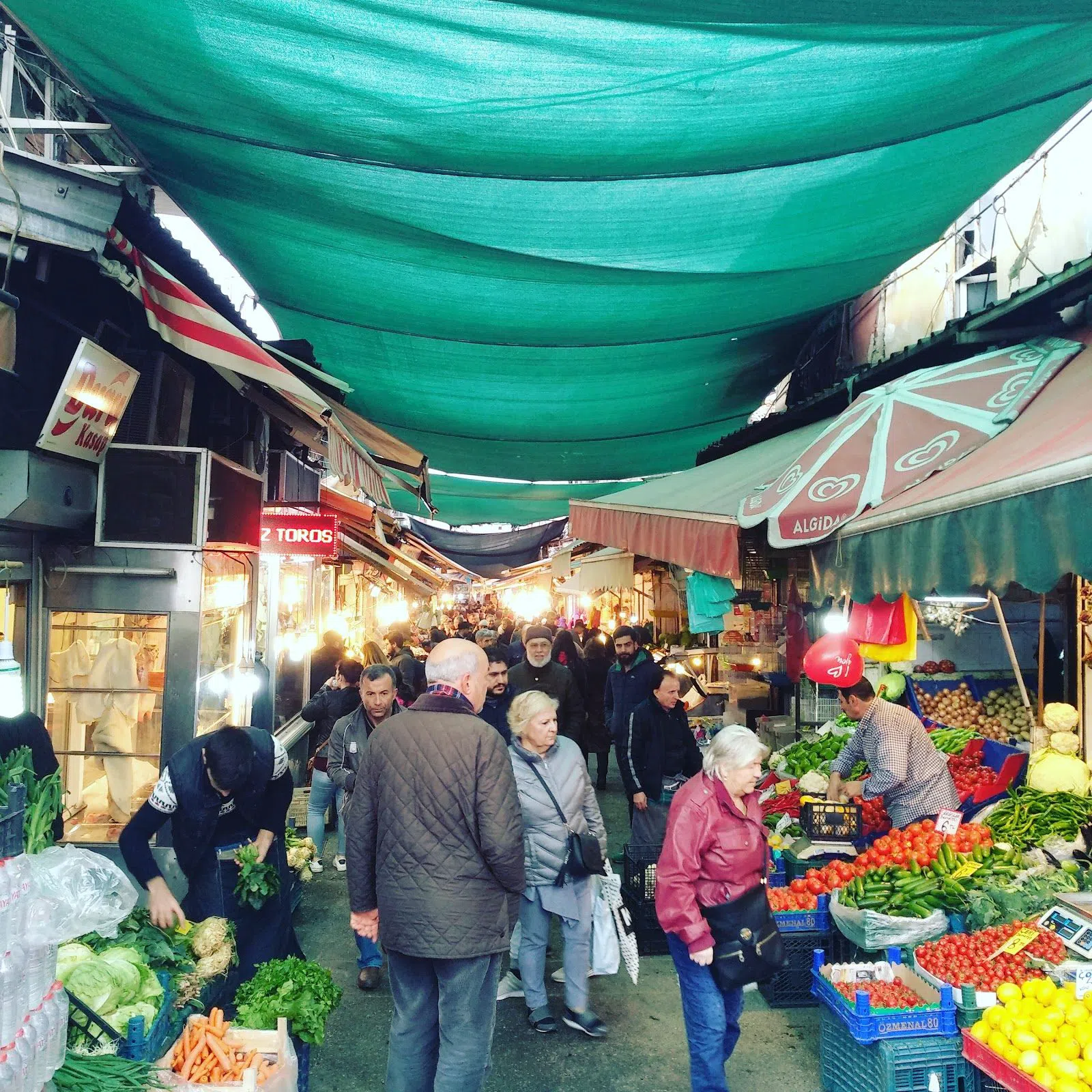
From there, Havra Sokağı (Kemeraltı) is the food street, named for the synagogues around it and the most concentrated eating in the quarter. Thirty-four historic buildings in this area were restored by the governor's office and folded into the walking routes as Kemeraltı pushes its case for UNESCO listing, so the street looks better now than it has in decades. A full graze costs a few hundred lira. The caveat is that it is narrow and it is busy. A walking group of ten will become an obstruction. Break into clusters of three or four, agree where you are meeting, and let people eat at different stalls.
Ten minutes' walk away sits the Agora of Smyrna (Namazgâh, city centre), one of the largest agoras anywhere still embedded in a working city centre. Excavation is live, so the site changes year to year and what you see this autumn is not quite what a photograph from three years ago shows. It is open 08:30–18:00 from April through October, the state fee is modest, and the Museum Card is valid. It handles groups easily and guided parties are common. Pair it with the bazaar in a single morning; separating them into two half-days wastes the walk.
The hour before sunset on the water
This is the part of an İzmir day that late September improves most, because the light lasts and the temperature on open water is finally pleasant rather than sharp.
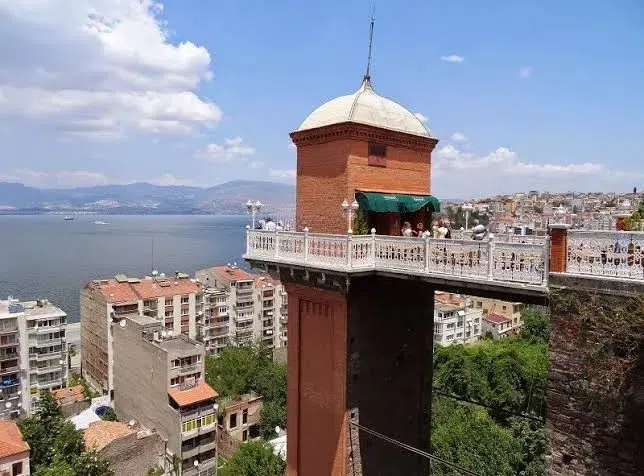
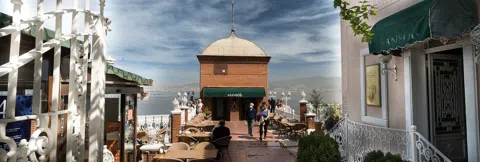
Asansör (Karataş) is a public lift built by the Jewish banker Nesim Levi Bayraklıoğlu to spare people the cliff stairs, and it is still free to ride 119 years on. Open seven days. The lift takes small batches, so a large group arrives at the top in waves; the terrace café absorbs that without difficulty, and drinks are charged separately. Go for the hour before sunset, when the gulf turns copper. Go at midday and you have essentially ridden a lift.
The Konak–Karşıyaka ferry (İZDENİZ) is the cheapest good thing in the city and I would put it above most paid attractions here. The crossing takes fifteen to twenty minutes each way and runs roughly every fifteen minutes at peak. Pay with an İzmirim Kart at standard city transit fare, a few lira. There is no booking and no group limit on the city line; it is public transport. The seasonal long-distance services (around 150 TL to Urla, around 250 TL to Mordoğan) wind down after September, so treat those as a bonus rather than a plan. Take the evening crossing and you are on open water for sunset for the price of a bus ticket.

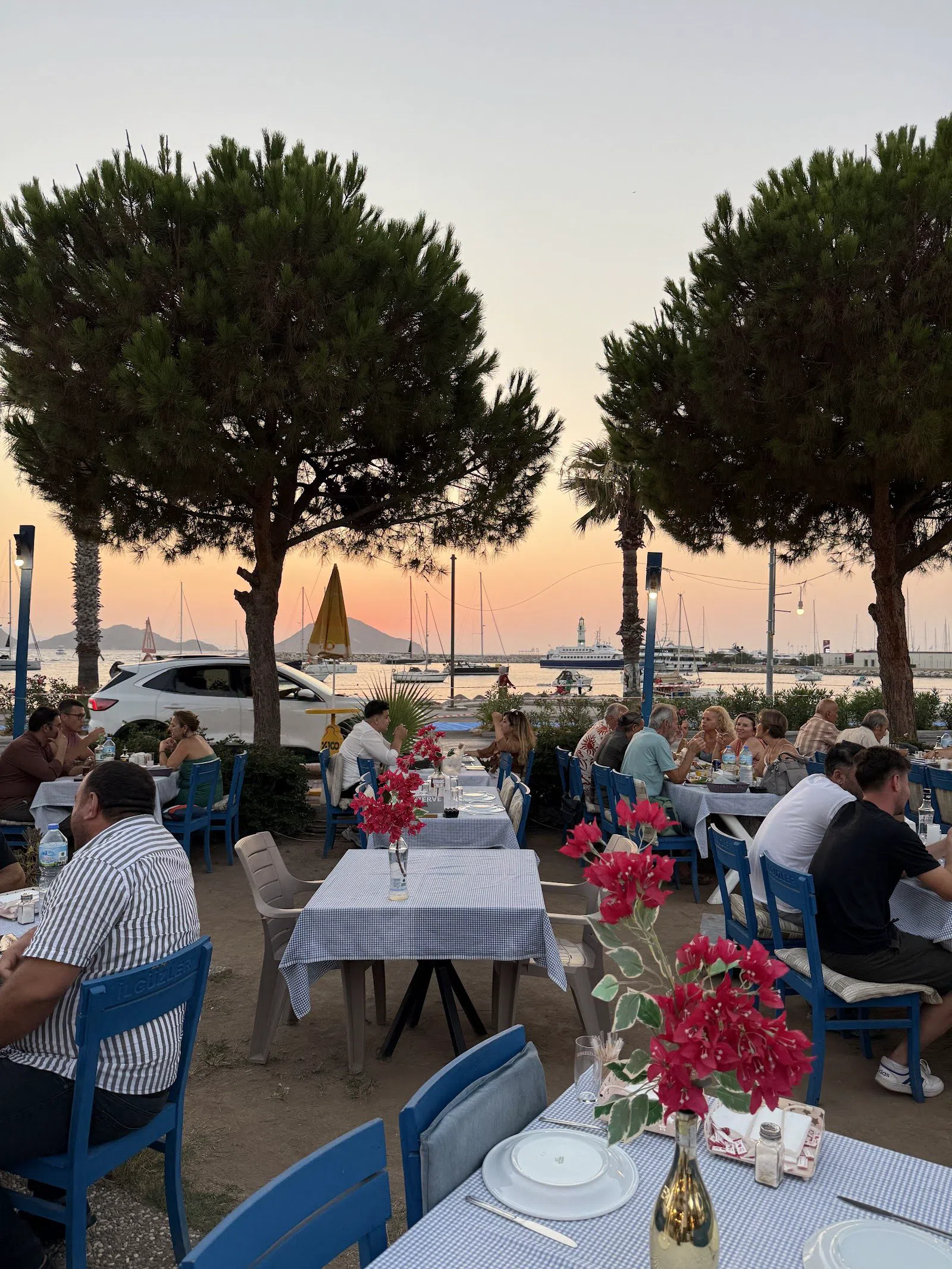
Step off at Bostanlı and it is a ten-minute walk to Bostanlı Sunset Lounge (Bostanlı, Karşıyaka), a purpose-built public deck from the 2016 İzmirSea waterfront project that has become the city's standing evening ritual. People lie flat on the boards and watch the sun go into the gulf. It is free, there is no door, and groups sprawl happily, but it fills before sunset, so arrive with thirty or forty minutes in hand or you will be standing behind everyone. Ferry, then deck, then dinner in Karşıyaka or back across: that is the cleanest evening chain in the city.
Ephesus after dark, and the village above it
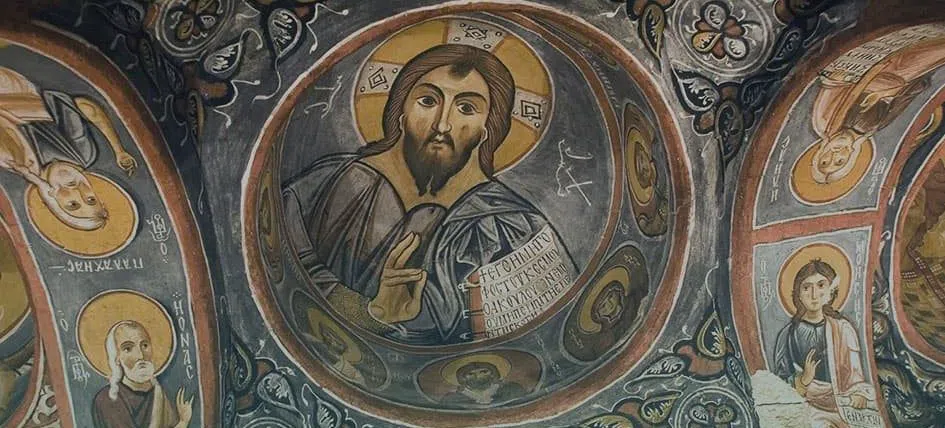
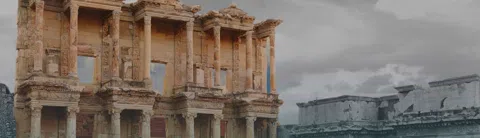
Ephesus Ancient City (Efes Ören Yeri, Selçuk) is the single strongest reason to be here specifically in late September, because of the night sessions. They run Wednesday to Saturday, 19:00–22:30, through 2 November 2026, and you walk the marble lit and cool instead of at 40°C. Numbers are capped and the sessions want advance booking, so this is not a turn-up decision. Entry is €40; the Terrace Houses cost €10 extra and the Museum Card is not valid on them. In-season day hours are 08:00–19:00 and the Terrace Houses close earlier than the main site.
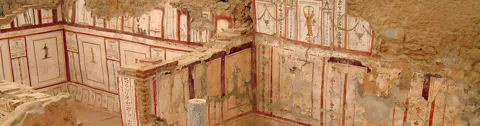
My honest verdict: pick one or the other. Doing the full site in daylight and then returning at night is a long, expensive day that leaves you looking at the same street twice. If you have never seen it, take the day visit and add the Terrace Houses, which are the best-preserved domestic interiors on the site. If you have, or if you are travelling with people who wilt in heat, take the night session and accept that you will see less detail.
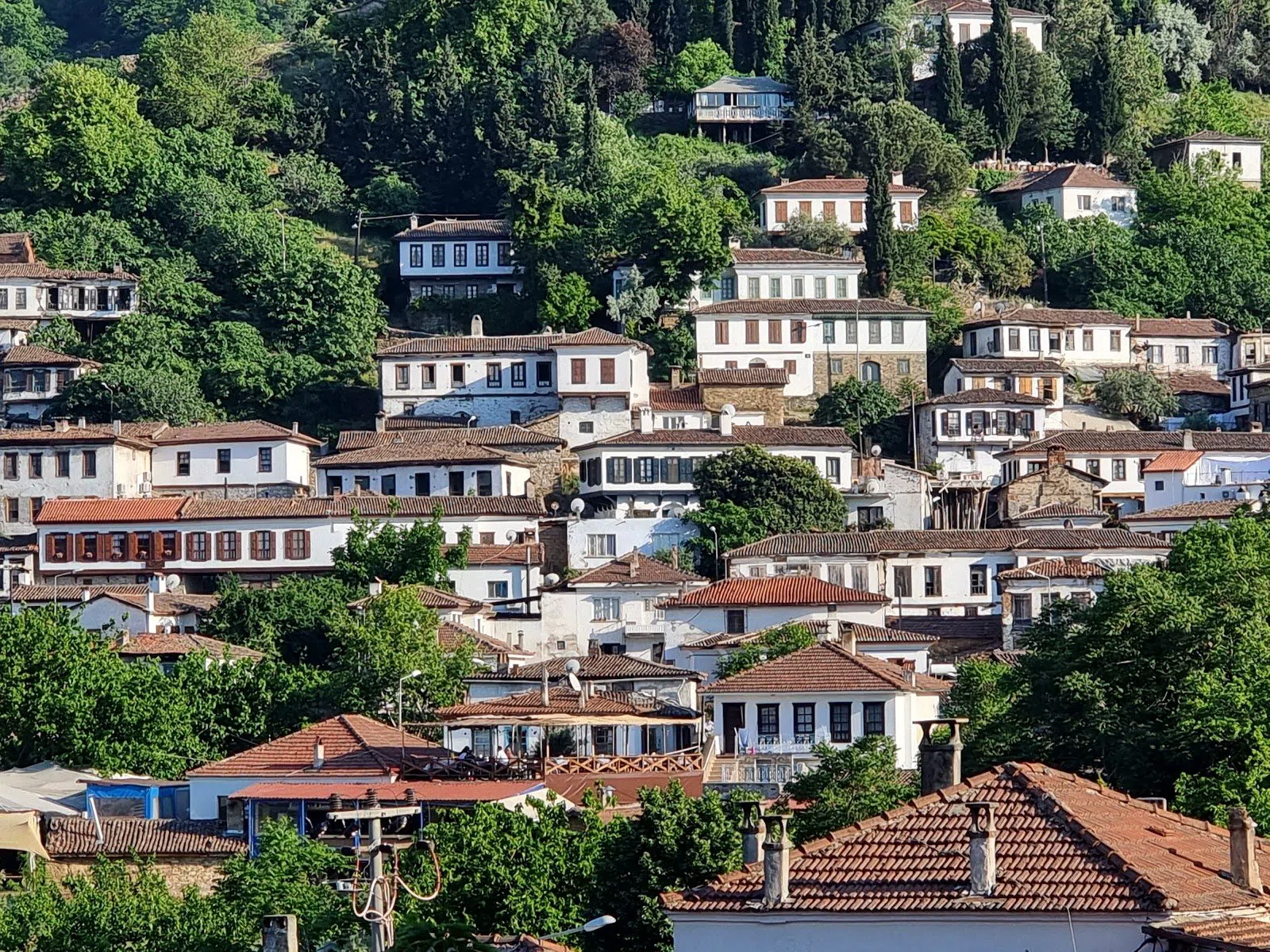
Eight kilometres uphill sits Şirince (Selçuk district), the natural second half of that day. The cellars pour fruit wines (peach, cherry, mulberry, blackberry) and the village itself is explicit that September into October is its best window, once the day-tripper coaches thin and the hills cool. A dolmuş from Selçuk is around 50 TL each way, so no car is needed. Visiting is free; tastings and lunch land at €€. The lanes are narrow and the tables are small, so a group of eight should ring one of the larger wine houses ahead rather than hope.
The long drive north to Pergamon
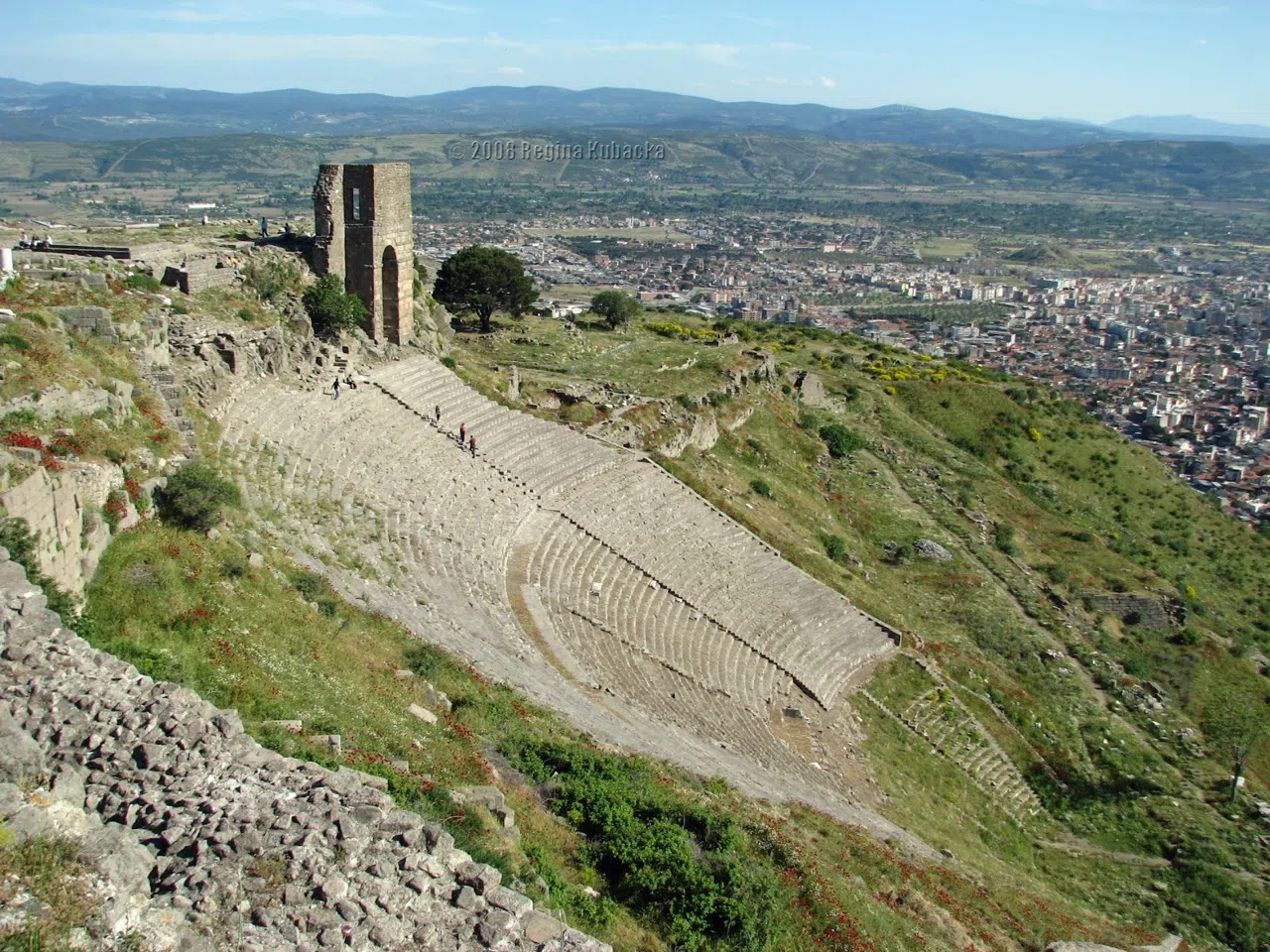
Pergamon Acropolis (Bergama) is about two hours north, which is exactly the trip that flips from punishing to pleasant once the heat drops. It has been UNESCO-listed since 2014, and the theatre cut into the hillside is the steepest surviving from the ancient world. Entry runs €15–20; the cable car is around 500₺ one way or 800₺ return. It takes coach groups, but the cable car moves people in small cabins, so a large party should budget real queue time at the bottom.
One firm warning: the Red Basilica in the town below has been closed for restoration since May 2025 and was still shut in July 2026. Do not build the day around it. If Bergama is your only ruin, the acropolis alone justifies the drive; if you are already committed to Ephesus, be honest about whether you want two long archaeological days in one week.
Water that has not cooled yet
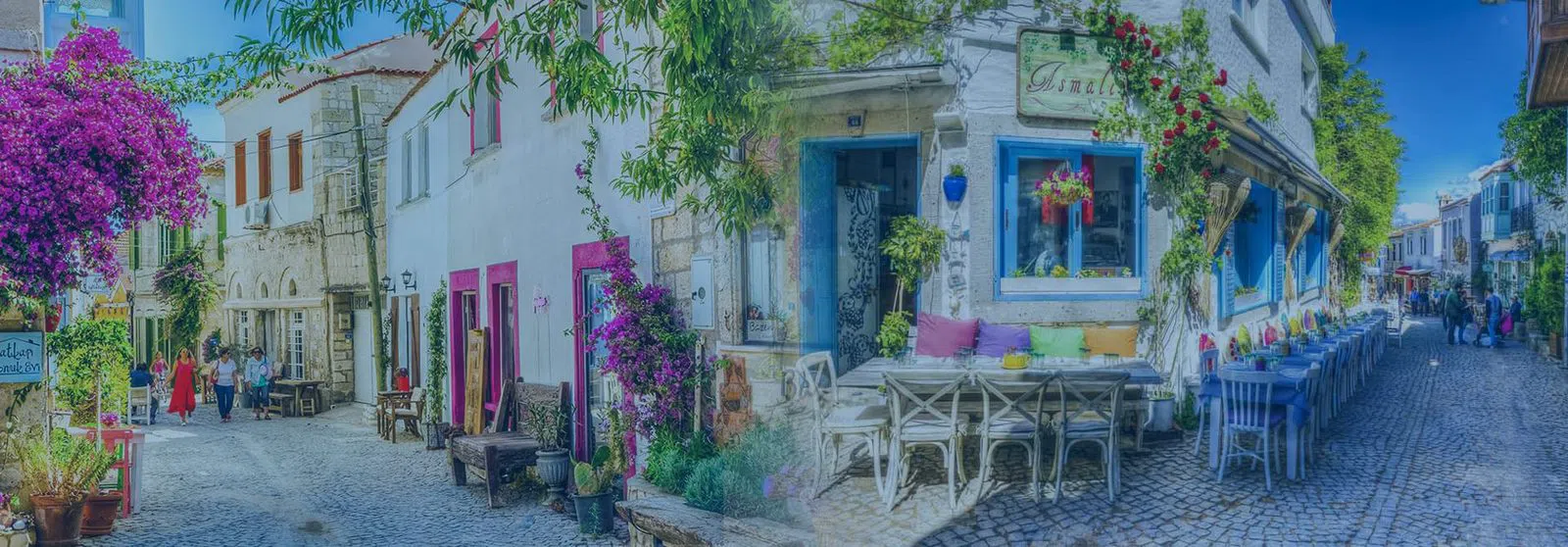
The question people actually want answered is whether they can still swim. At Ilıca Beach (Ilıca Plajı, Çeşme) the answer is comfortably yes, for a reason specific to this bay: undersea thermal springs warm the water, so it stays swimmable well past the point the beach clubs thin out. The beach is free, with no door and no minimum spend, the one place on this list that absorbs any size of group with no booking at all. Sunbed and umbrella hire runs roughly 400–600 TL a day, and the municipality section has free loungers if you would rather not pay. It shelves shallow and flat a long way out, which makes it the safe pick for mixed-ability groups and families.
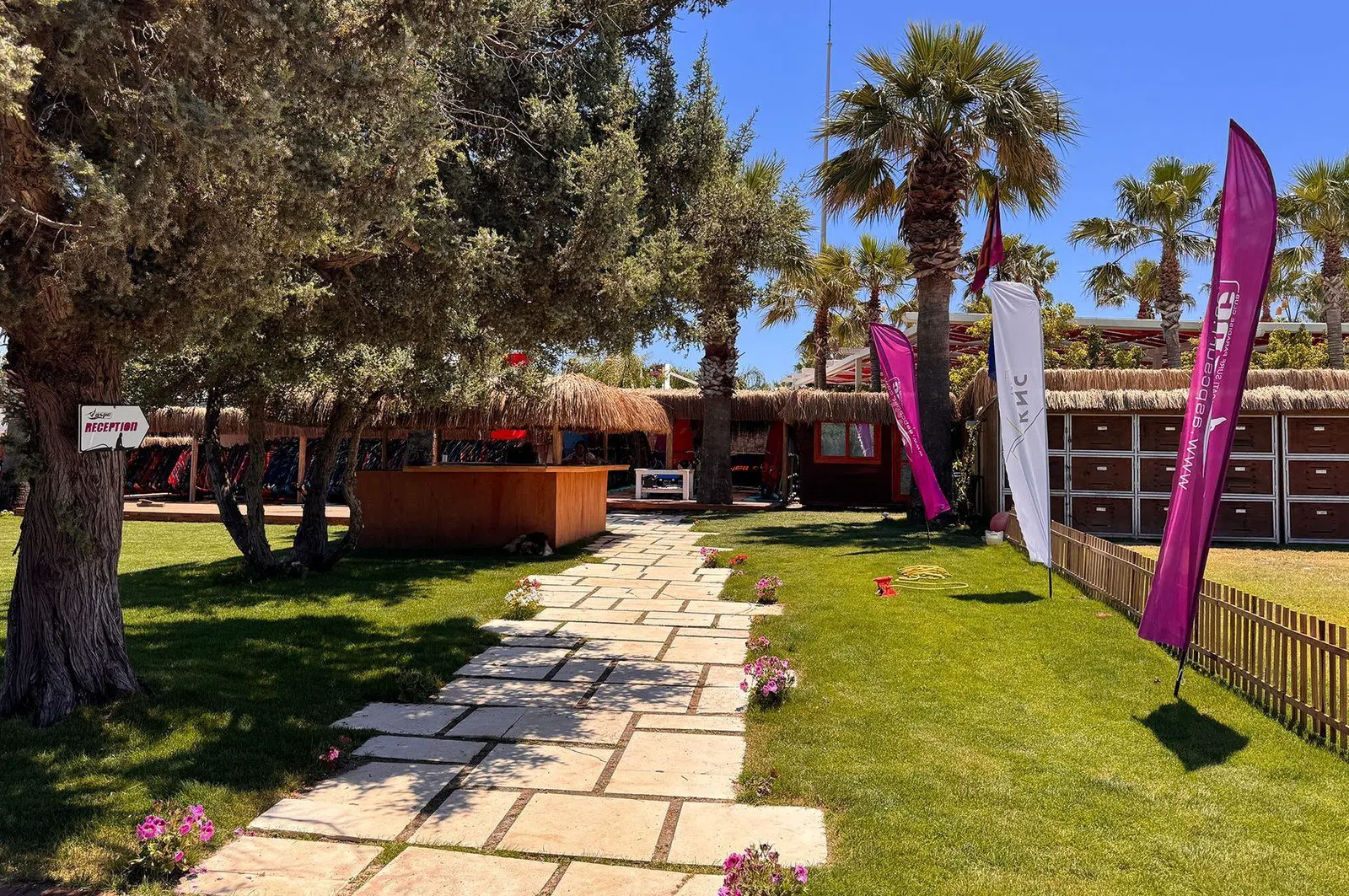
A short hop away, Alaçatı Surf Paradise Club (Alaçatı, Çeşme district) has been on the windsurf bay since 1995 and is rated among the best handful of centres anywhere. The thermal wind holds 15–25 knots into October, and the bay stays waist-deep far out, so beginners fall over safely rather than dangerously. It is built for groups: lessons run individually or in groups, camps at roughly six or seven people per instructor. Packages sit at €€, and rentals are around 15% cheaper in the low season from mid-September. The season closes in October, so this is a now-or-next-year item.
Harvest on the Urla vineyard route
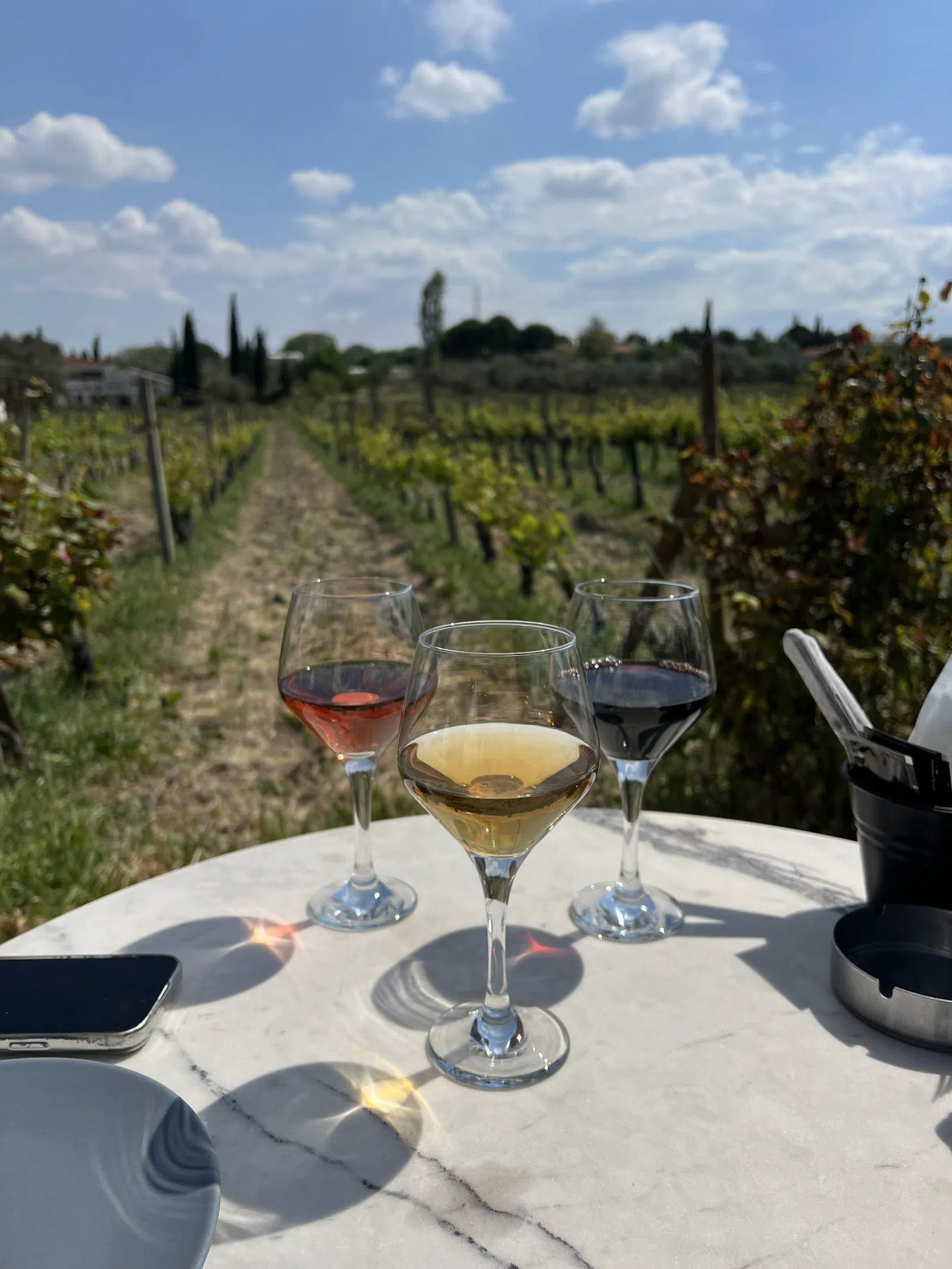
Late September is harvest on the Urla Bağ Yolu, and standing in the rows while it happens is a different experience from a winter tasting room. Urlice Vineyards (Urla) was founded in 2006, is organically certified, and is one of the ten wineries on the route. Tastings cost €€ plus bottles. Call ahead rather than turning up; at harvest especially, an unannounced group of six is an imposition. Pick one winery and do it properly rather than tick off four. The route is a driving trail, which means arranging a driver and not tasting your way along it yourself.
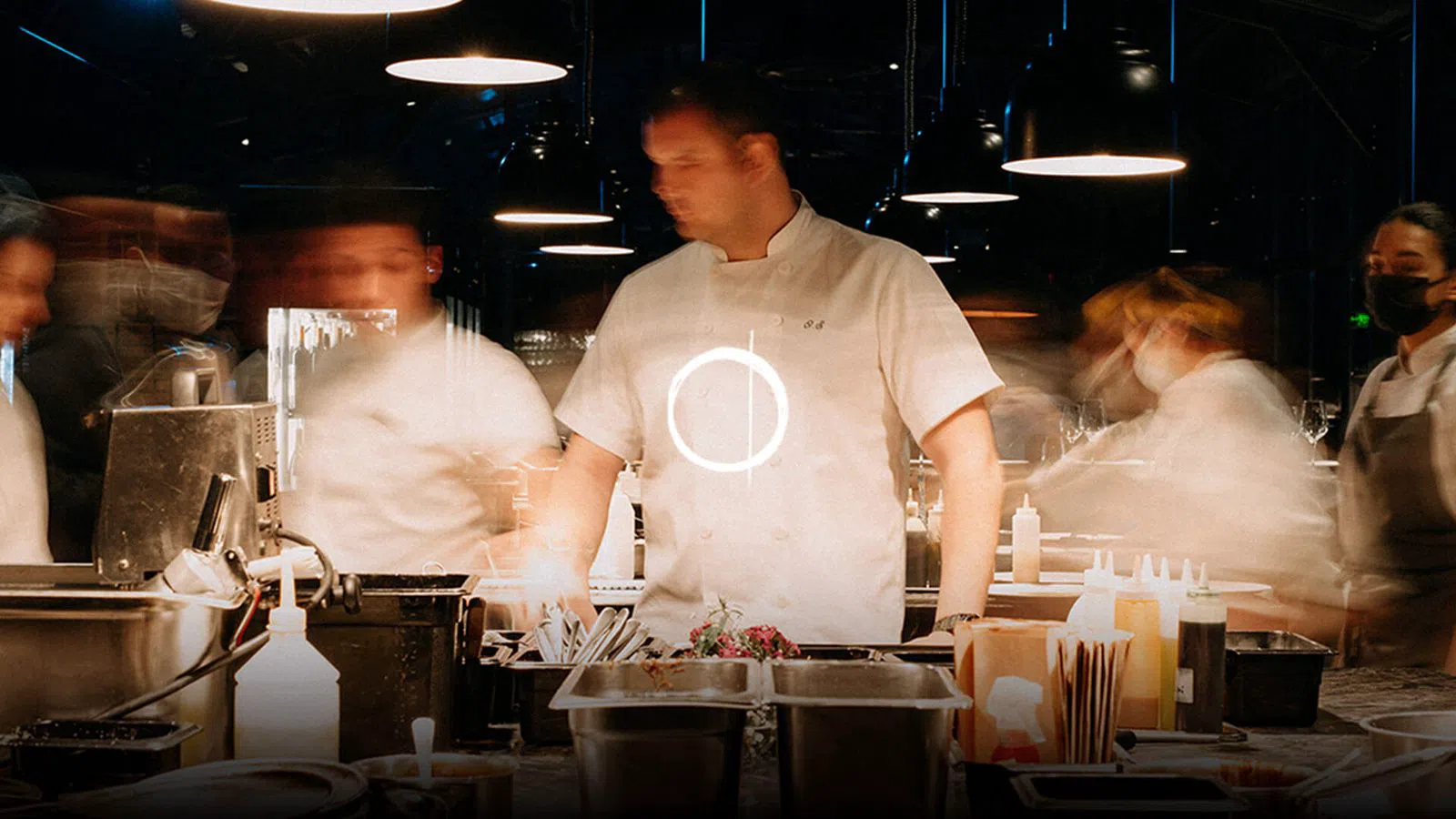
Build lunch or dinner around OD Urla (Urla), Osman Sezener's zero-waste kitchen, which has held a MICHELIN star since İzmir's first selection and carries a Green Star for sustainability. Late September is peak garden season, which is the point of the place: the menu reflects what is coming out of the ground that week. It is a proper restaurant with a terrace and the most group-workable of the fine-dining options here, so book ahead and tell them your numbers honestly. Expect €€€€ for the tasting menu.
Where to eat when the terraces finally work
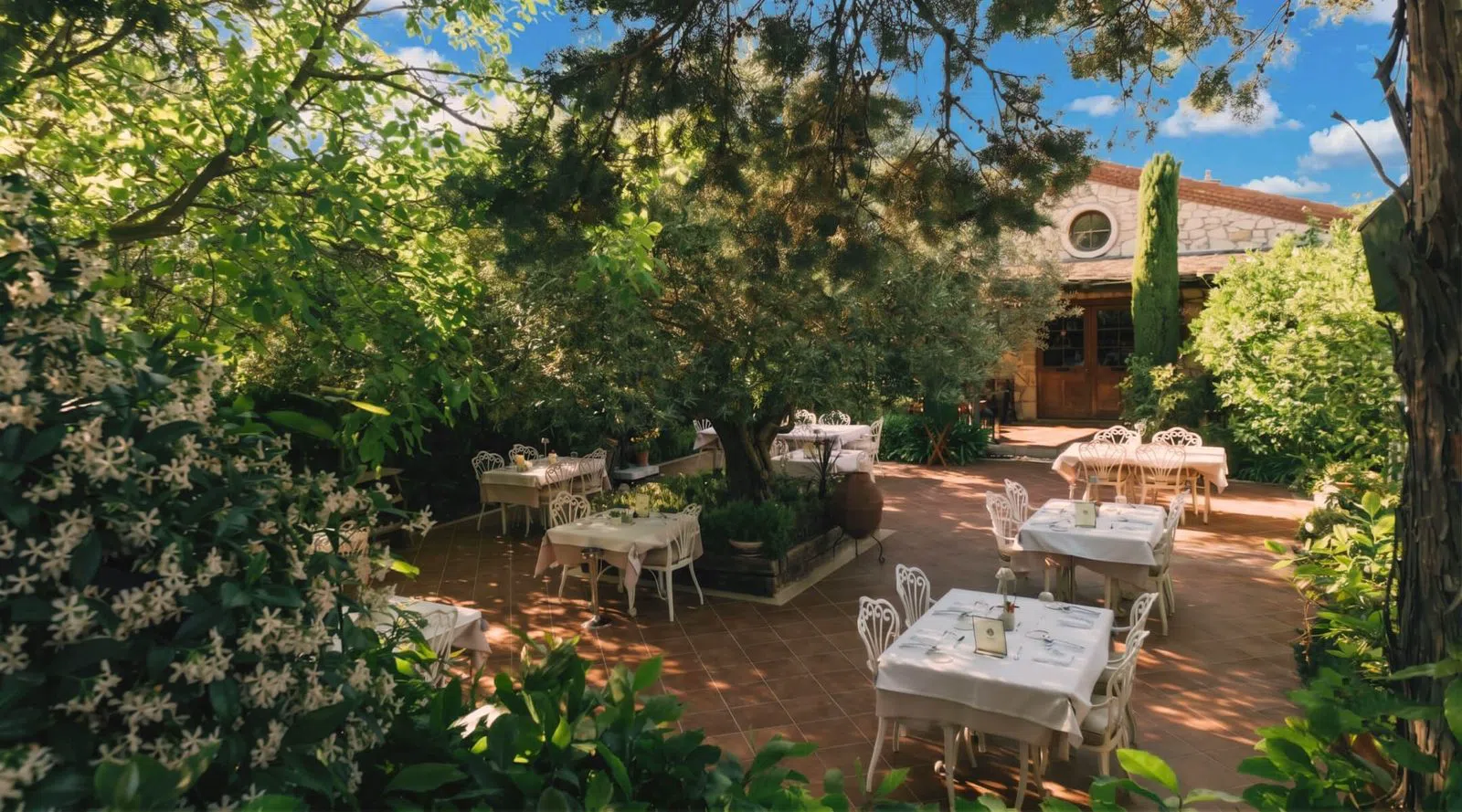
Kemal'in Yeri Mülkiyeliler Birliği (1450 Sokak No:22, Alsancak) is the closest thing to a guaranteed good dinner in the city and, at €€, the best value on this list. It is a new Bib Gourmand in the 2026 guide. Kemal Özçakar drives the region's farms each morning and builds the menu from what he finds, so you eat a surprise set rather than order. That format suits a table of six or eight better than a menu does; nobody negotiates. It is full every night, so reserve.
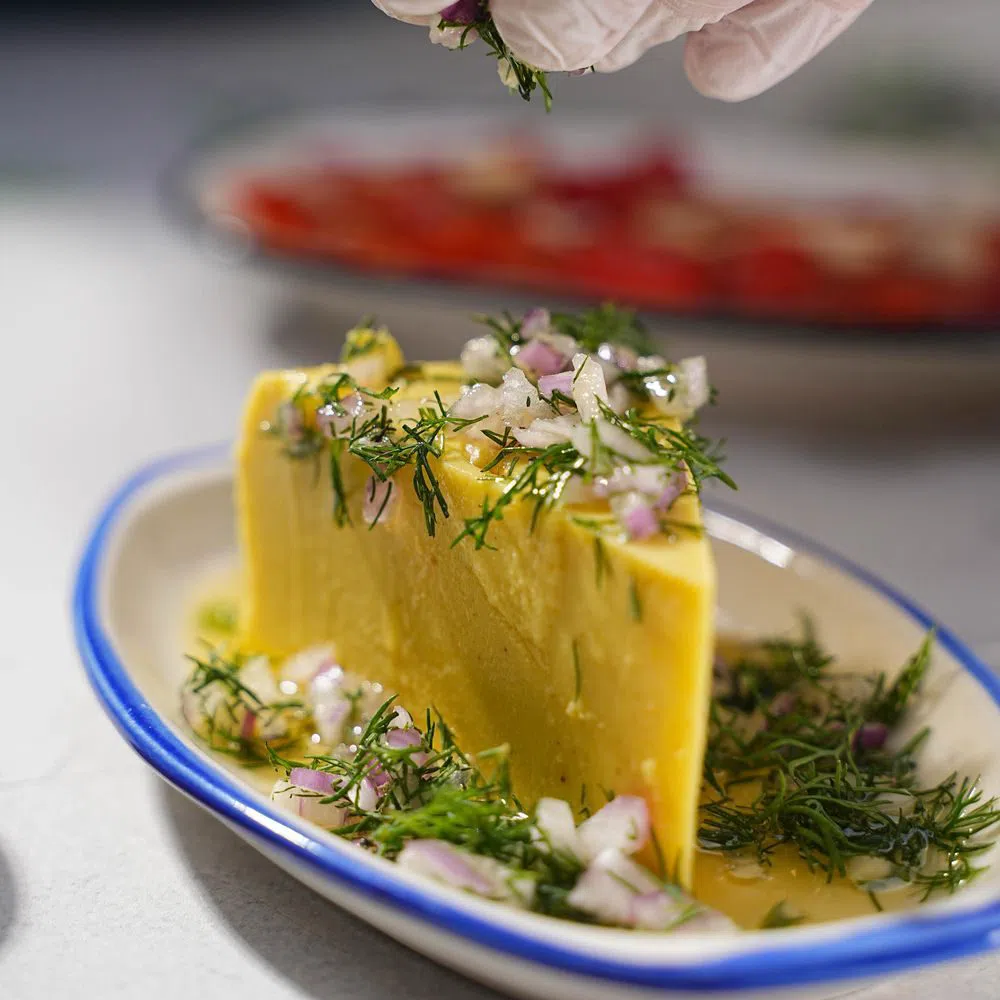
Vino Locale (outside the city) is the other end of the scale: İzmir's first two-star restaurant in the 2026 MICHELIN Guide Türkiye and only the country's second ever. Ozan Kumbasar cooks Aegean produce with Thai and Japanese inflections, on a seasonal tasting menu that changes roughly every six weeks, with pairings from sommelier Seray Kumbasar. The fit needs thought: there are deliberately few tables, the minimum age is 15, and anything above four means contacting them directly and booking weeks ahead. €€€€, Tuesday to Sunday 18:30–23:00, and it is out of town, so plan the drive and the way back before you book. Couples and pairs of couples, yes. A group of eight on a Saturday, almost certainly not.
One room with a band in it
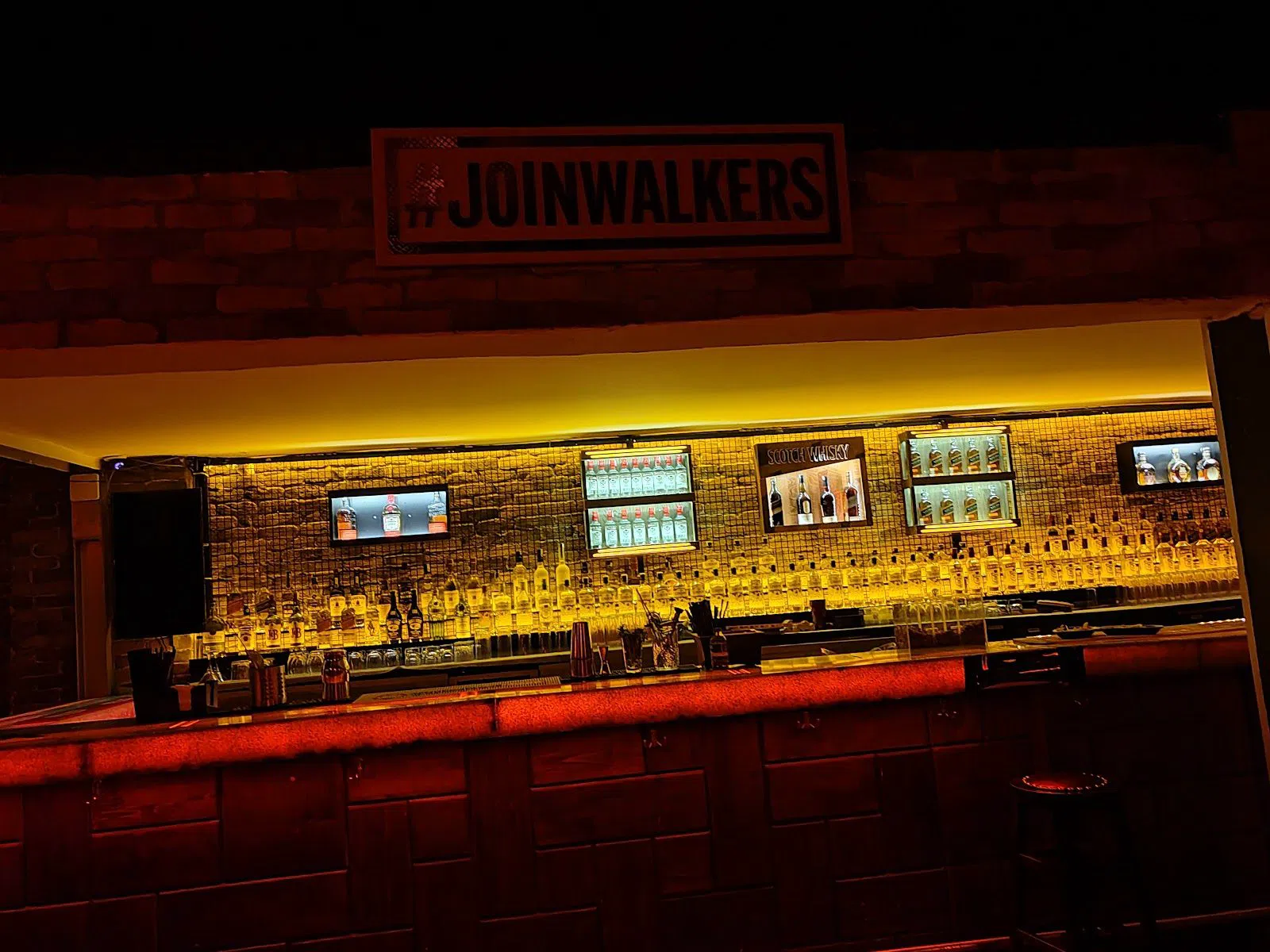
If "the city stays lively" is going to mean anything, it has to mean an actual venue rather than a busy waterfront. Bios Bar Alsancak (1453 Sokak No:18, Alsancak) is the anchor of the district's live music, with a stage that takes established Turkish acts and new ones, plus comedy nights. It opens Wednesday, Friday and Saturday. Bar prices are €–€€ and name acts are ticketed. The room is small and the tables are tight, so a group above six should book and should expect to be split across two tables, which is a fair trade for standing close to a band.
Practical notes
Getting around the city is simple: the İzmirim Kart covers ferries, metro and buses, so buy and top one up at a kiosk on arrival and stop thinking about fares. Ephesus and Şirince are reachable by train and dolmuş via Selçuk. Çeşme, Alaçatı, Urla and Bergama are all in İzmir Province but are drives: budget two hours each way for Bergama, around an hour for the Çeşme peninsula. The vineyard route and Vino Locale need a car and therefore a driver.
Cards work in restaurants, hotels and at the big sites. Carry lira in notes for Havra Sokağı, dolmuş fares, sunbed hire and bazaar tea, where cash is faster and sometimes the only option.
On timing, use mornings for the bazaar and the agora, late afternoon for the lift and the ferry, evenings for dinner. Book Ephesus night sessions, Vino Locale and Kemal'in Yeri before you fly; everything else can be decided the same day.
A day can cost almost nothing (ferry, Asansör, Bostanlı deck, agora fee, street food in Kemeraltı) or it can run to €40 for Ephesus plus €€€€ for a tasting menu. Mixing the two is the sensible approach, and it is what late September rewards: the free things become pleasant again at exactly the moment the expensive ones are at their best. For where to base yourself, the Alsancak and Konak side keeps you within walking distance of the ferry and the bazaar; start with the Izmir hotel search and filter for the waterfront.
Before you go
Can you still swim in the sea near Izmir in late September?
Yes. The Aegean warms slowly and cools slowly, so it stays comfortable well after the air has dropped. Ilıca Beach at Çeşme is the surest bet: undersea thermal springs warm the bay, and it is still swimmable once the beach clubs have thinned out. The beach is free; sunbed and umbrella hire runs roughly 400 to 600 TL a day, and the municipality section has free loungers.
How do the Ephesus night visits work in 2026?
Night sessions run Wednesday to Saturday, 19:00 to 22:30, through 2 November 2026. Numbers are capped, so book in advance rather than turning up. Entry is €40, with the Terrace Houses €10 extra, and the Museum Card is not valid on the Terrace Houses. Standard in-season day hours are 08:00 to 19:00, with the Terrace Houses closing earlier.
Do I need a car for the Urla vineyard route?
Effectively yes, and you need a driver rather than a car you drive yourself. The Urla Bağ Yolu is a driving trail linking ten wineries, and tasting rules that out. Pick one winery, Urlice Vineyards for example, call ahead, and do it properly instead of trying to string several together. Late September is harvest, so unannounced groups are a real imposition.
Is late September too late to windsurf at Alaçatı?
No. The thermal wind holds 15 to 25 knots into October and the season at Alaçatı Surf Paradise Club runs to the end of that month. Rentals are around 15% cheaper in the low season from mid-September. The bay stays waist deep a long way out, so beginners can fall over safely; camps run roughly six or seven people per instructor.
Which Izmir restaurants work for a group of six or more?
Kemal'in Yeri in Alsancak is the best group booking in the city, because the surprise set menu removes any negotiation over ordering and Bib Gourmand prices keep it reasonable. OD Urla takes groups if you book ahead and state numbers. Vino Locale does not: it has deliberately few tables, a 15-and-over policy, and anything above four means contacting the restaurant directly weeks in advance.